
By Antonnet Botha
Stepping out on a cold and rainy 27 April 2026, I joined Jolandie Buck at an outlook area along Ruiterbos Pass. Our aim? To document the biodiversity for the City Nature Challenge. Spending the morning at various points on the pass we challenged ourselves to make over 500 observations between the two of us.
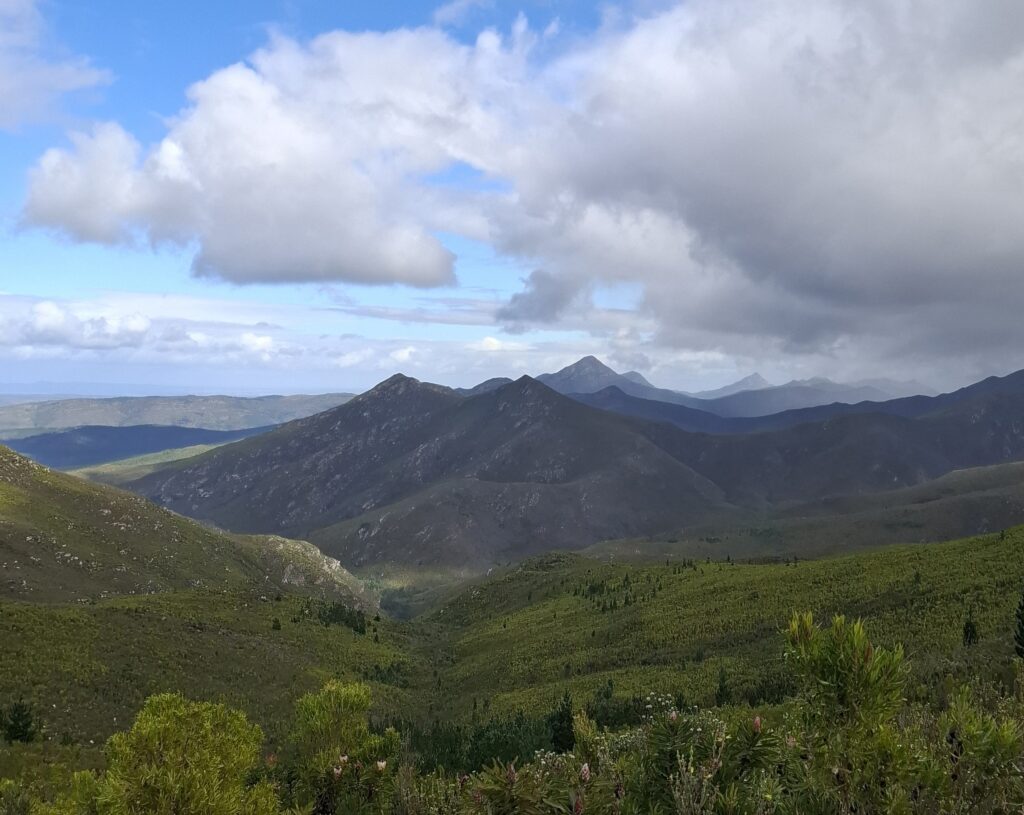
Photo by Antonnet Botha
We were not the only members of the Gouritz Cluster Biosphere Reserve dedicating time between 24 – 27 April 2026 to participate in the challenge. GCBR members joined the Dana Bay Conservancy and Wild Rescue CNC events to help document biodiversity across the region, while other team members spent time recording species in Kannaland. Across the Garden Route, communities, conservation groups, photographers, hikers, families, and other citizen scientists alike came together with a shared purpose: to observe, appreciate, and record the natural world around them.
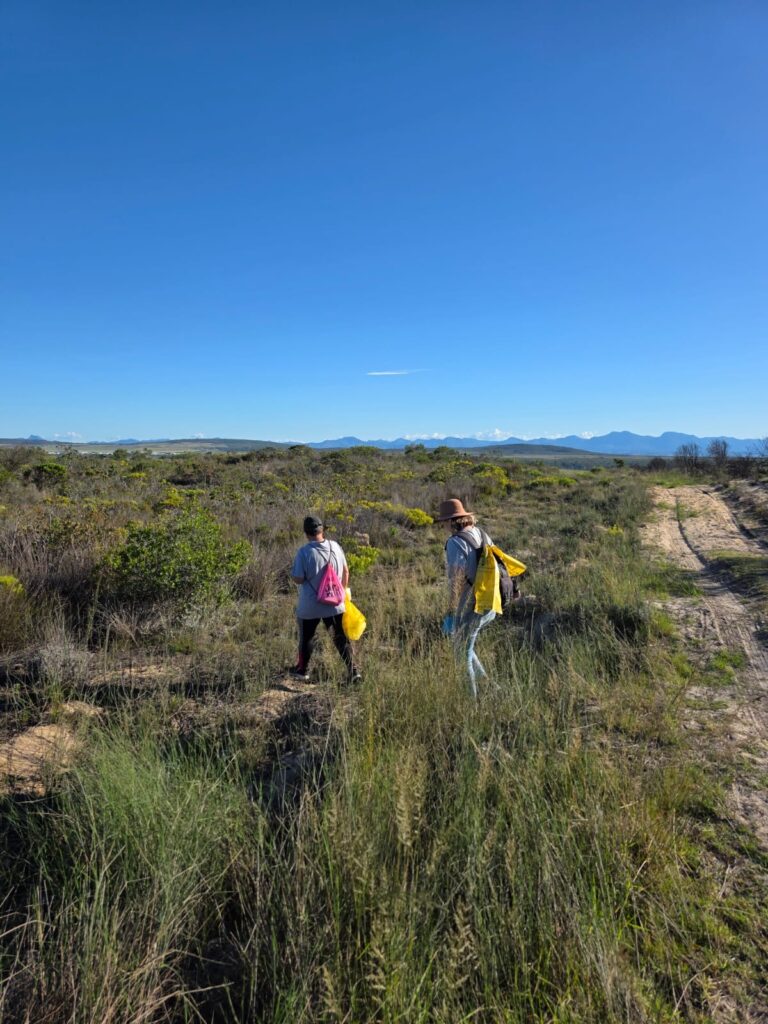
Photo by Jolandie Buck

Photo by Jolandie Buck
The City Nature Challenge is an annual global event, co-organised by the California Academy of Sciences and the Natural History Museum of Los Angeles County with iNaturalist acting as one platform to record observations, encouraging people around the world to document biodiversity in their local areas. What started as friendly competition between cities has grown into one of the world’s largest citizen science events. This year’s challenge included 754 participating cities worldwide, with more than 3 million observations uploaded by over 106,000 observers. Together, participants documented more than 76,422 species, supported by over 27,641 identifiers helping to verify records.
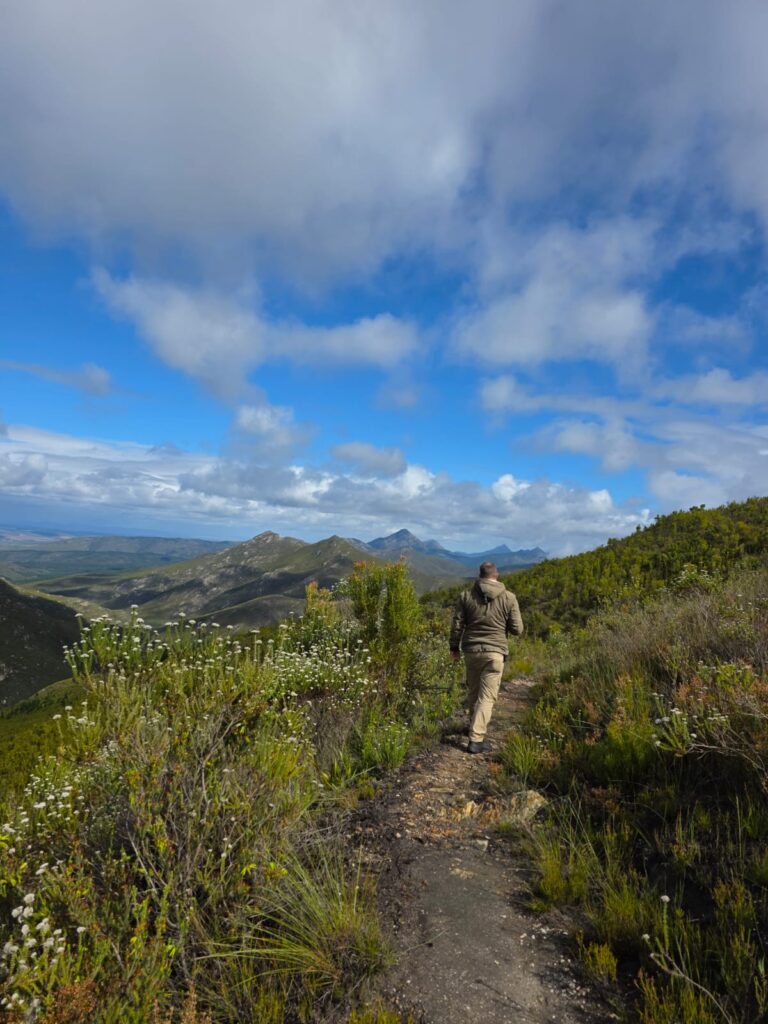
Photo by Jolandie Buck
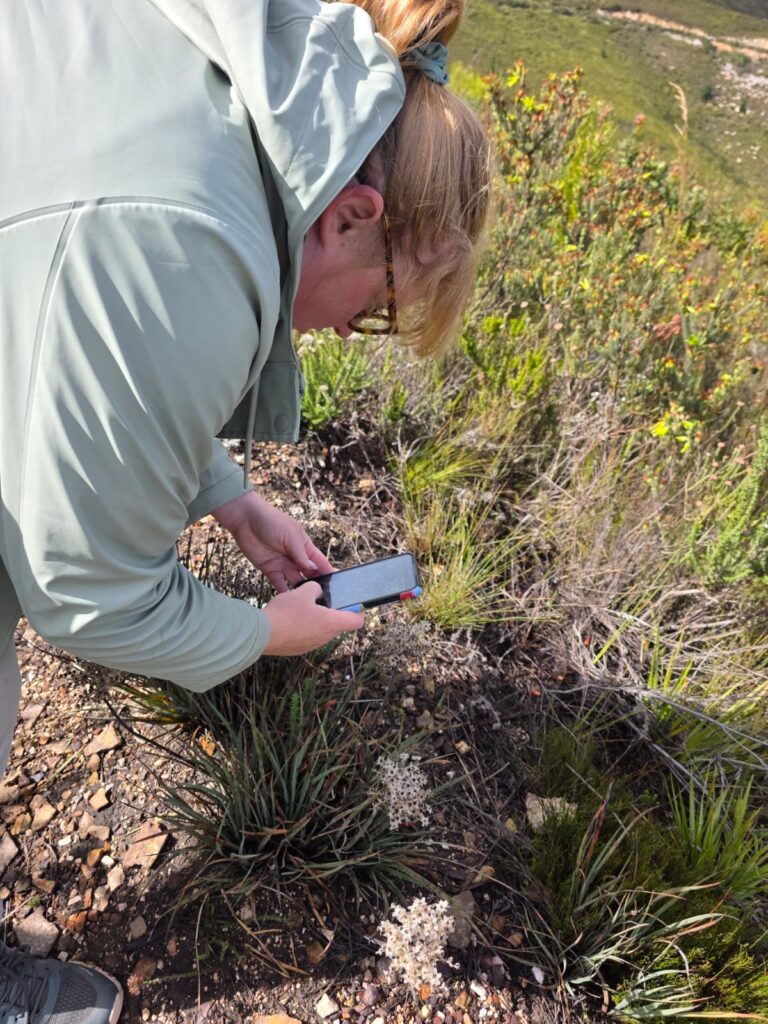
Photo by Jolandie Buck
Garden Route City Nature Challenge
The Garden Route District once again achieved remarkable results. During the four-day challenge, the region recorded 10,952 observations, placing third overall in Africa for observations. Participants documented 2,230 species, earning the Garden Route second place in Africa for species diversity. With 279 observers taking part, the region also ranked second in Africa for participation.
An additional 463 people contributed by helping identify observations, pushing the project to an impressive 58.12% Research Grade status. Approximately 6,365 observations reached Research Grade during the challenge, creating valuable biodiversity data that can support conservation research and environmental monitoring into the future.
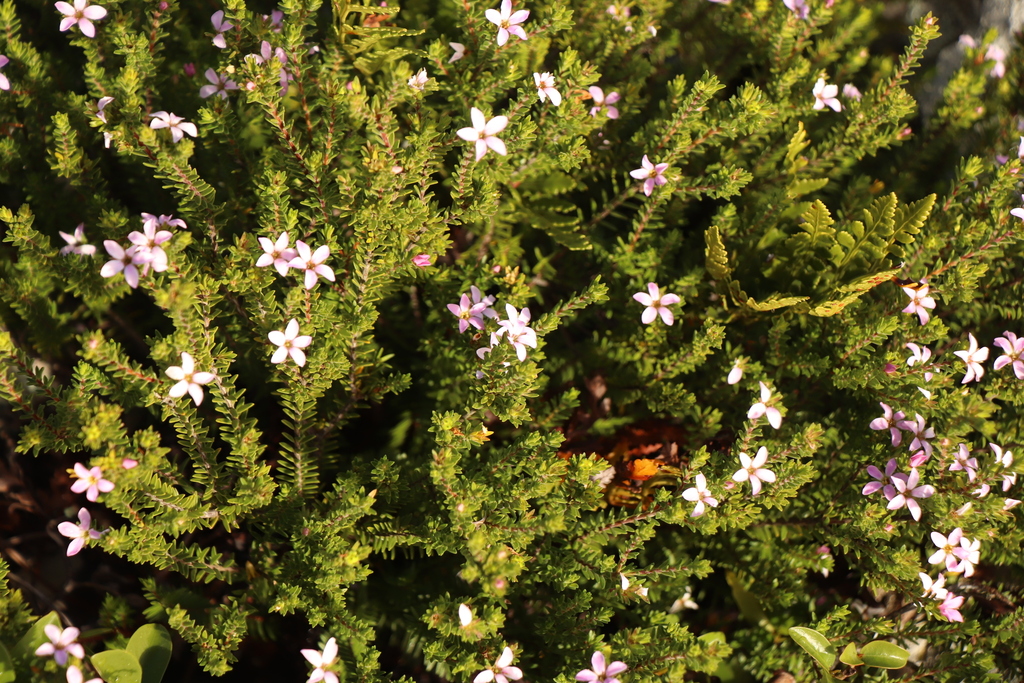
Photo by Sandra Falanga on iNaturalist
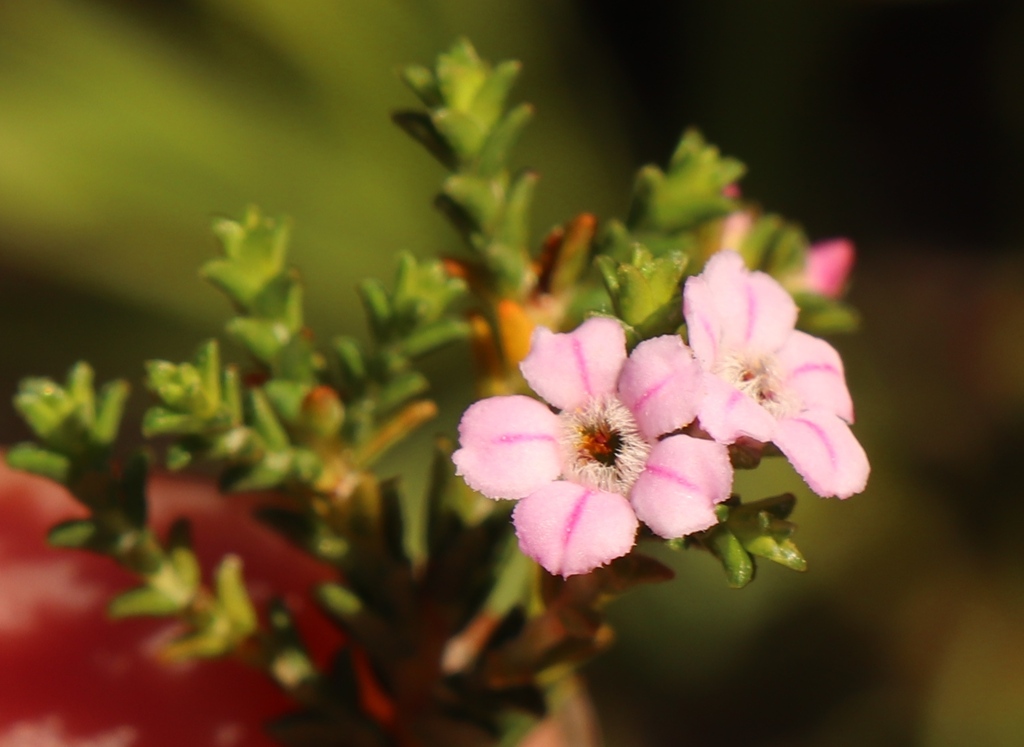
Photo by Sandra Falanga on iNaturalist
Among the many species recorded during the survey, a few stood out as particularly memorable finds. The delicate Erica velatiflora, listed as Vulnerable, added flashes of colour to the landscape, while the Robertson porcelain flower (Vulnerable) and Albertina bearbuchu (Endangered) highlighted the conservation importance of the area. One of the more unusual discoveries was the Fluted bird’s nest fungus recorded in Mossel Bay, resembling tiny nests filled with eggs. Birdlife sightings were equally exciting, with the haunting presence of the African Barn Owl and the unmistakable flashes of green and red from the Southern Knysna Turaco moving through the canopy. Together, these observations paint a picture of a landscape still rich in biodiversity and full of ecological surprises.
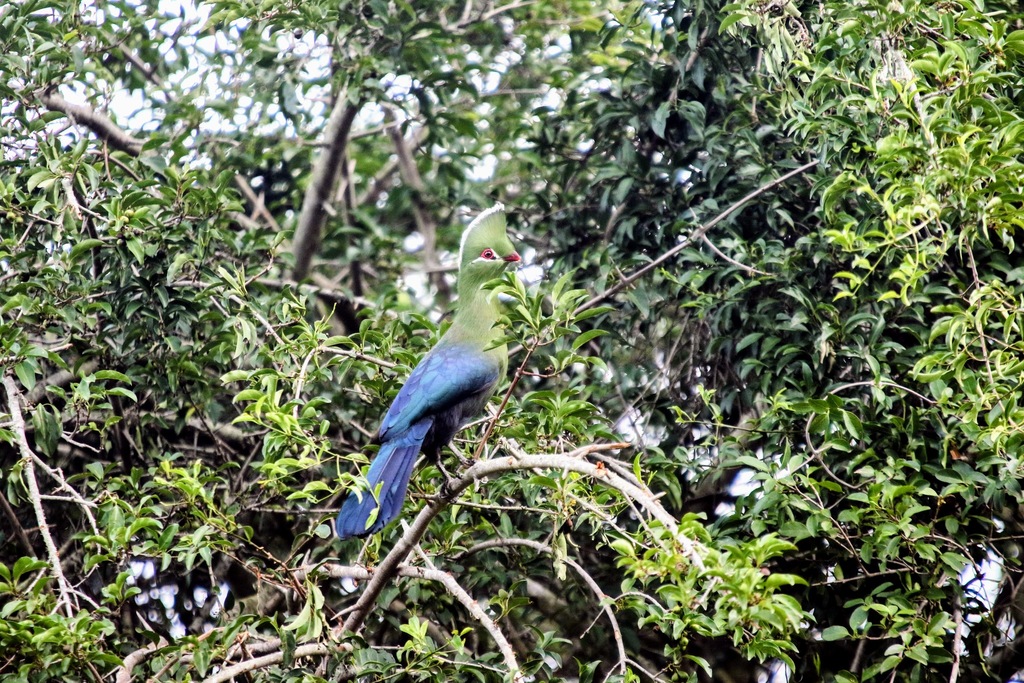
Photo by Mariska de Wit on inaturalist
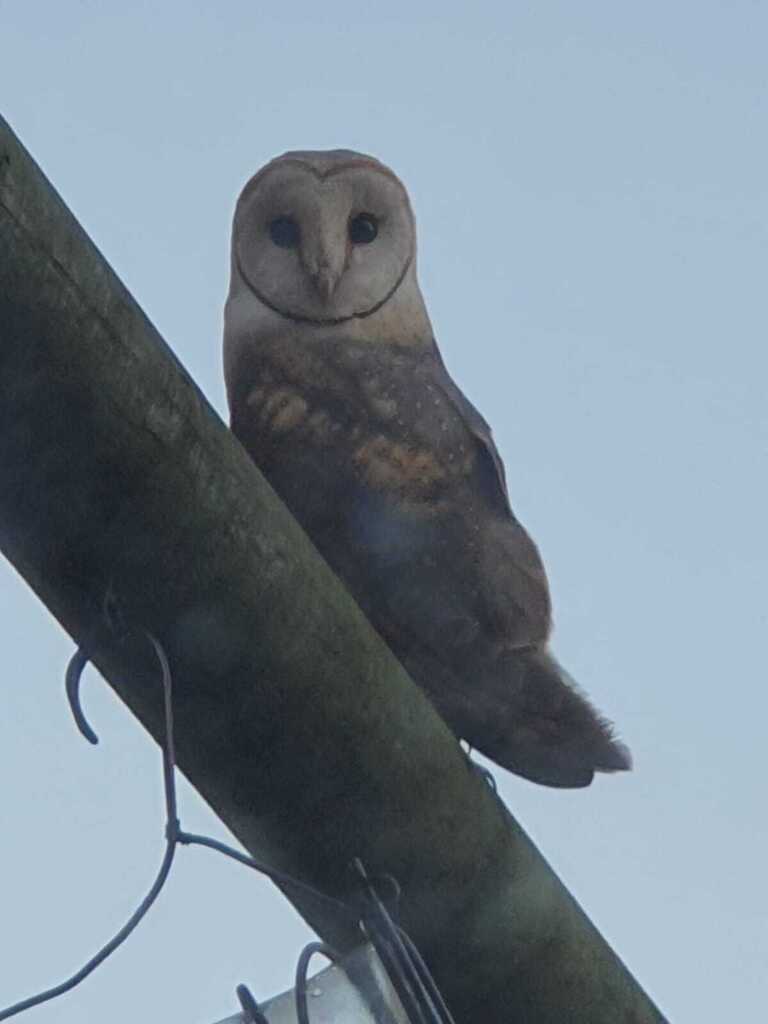
Photos by Springerbaaiecoestate on iNaturalist
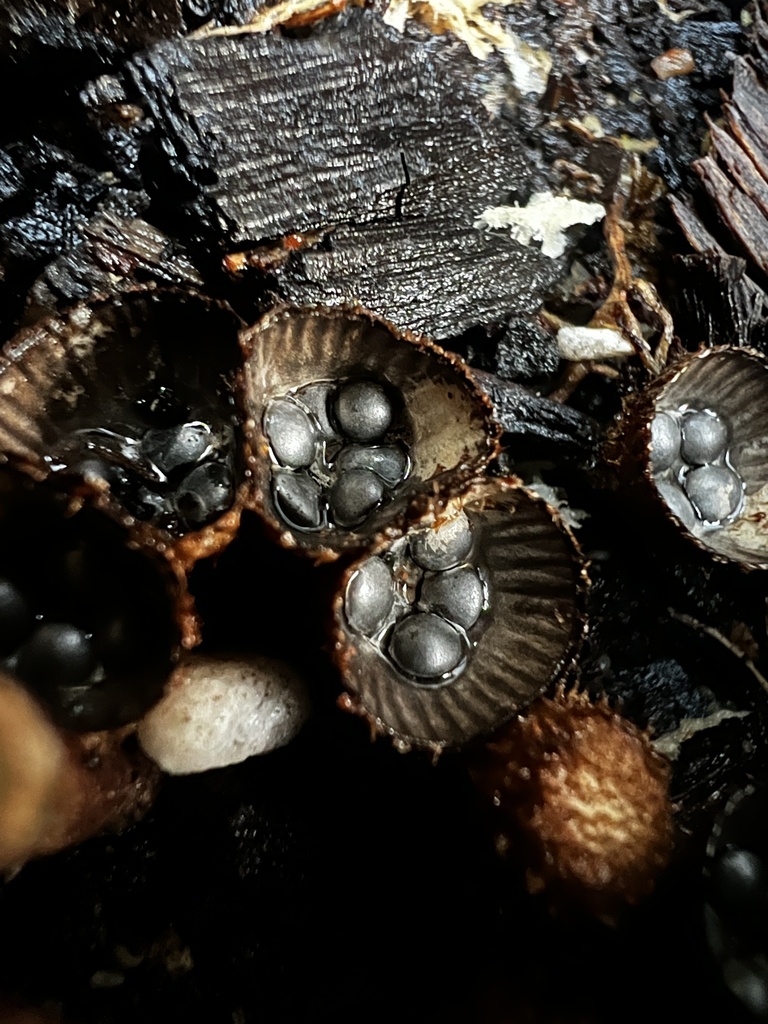
Photo by Reinier van der Kuip on iNaturalist
Contributing to Citizen Science
Beyond the numbers, the challenge highlighted the incredible biodiversity found throughout the Garden Route and the power of citizen science. Every uploaded photograph, every species identification, and every observation helps build a better understanding of the ecosystems that surround us. The challenge once again demonstrated what can be achieved when people come together to explore, observe, identify, and appreciate the biodiversity of the Garden Route.
A heartfelt thank you goes to every observer, identifier, organiser, supporter, and nature lover who took part in this year’s challenge. Your contributions are helping create a growing record of the species that make this region so unique.

Photo by Sandra Falanga on iNaturalist
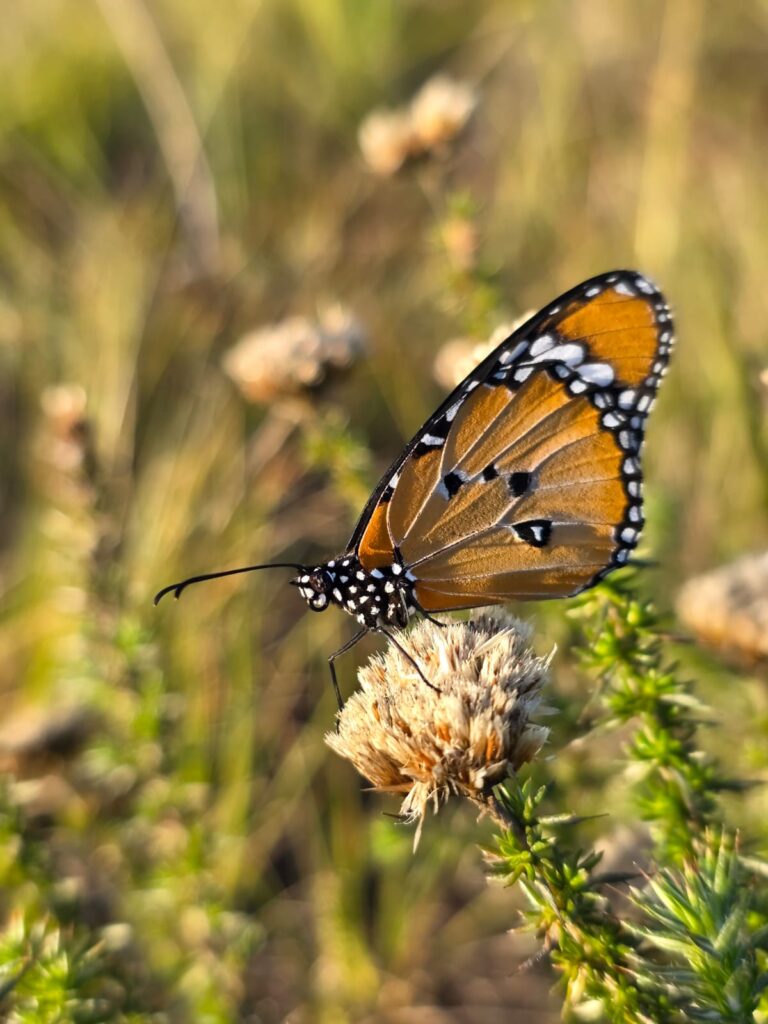
Photo by Jolandie Buck