
By Halcyone Muller
Silky hakea (Hakea sericea) is one of the most problematic invasive alien plants affecting the fynbos ecosystems of the Western Cape. Introduced from Australia, this hardy shrub rapidly forms dense stands that outcompete indigenous vegetation, increase fire intensity, and reduce biodiversity. Fortunately, South Africa has one of the world’s most successful biological control programmes for silky hakea, using a combination of insects and a naturally occurring plant pathogen to suppress its spread.
Identifying Silky Hakea
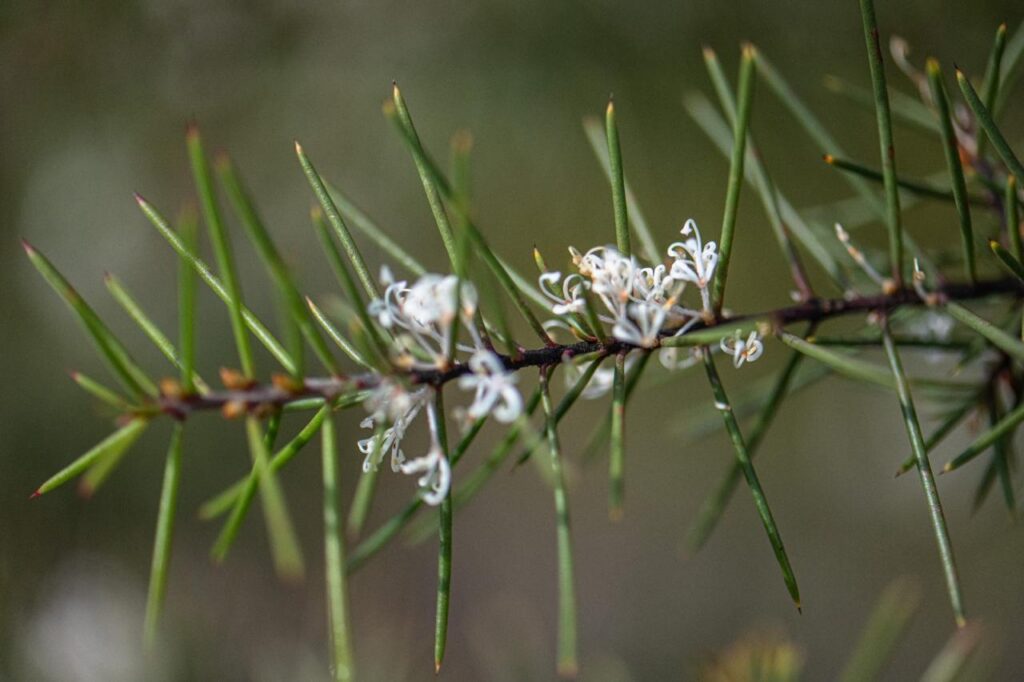
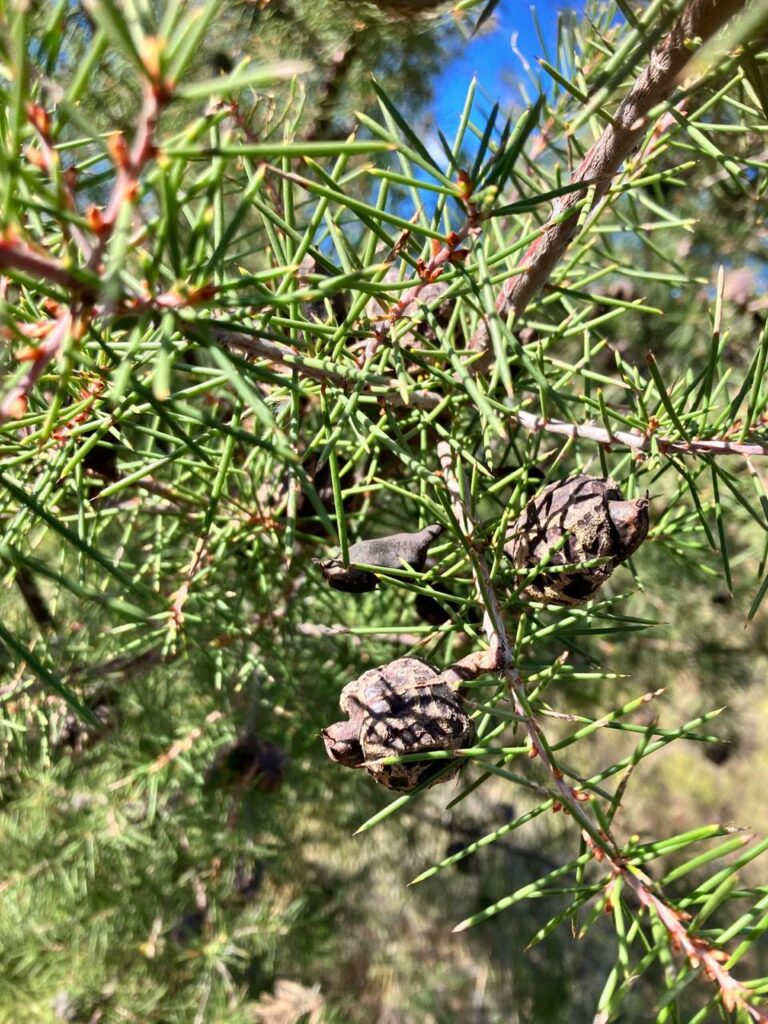
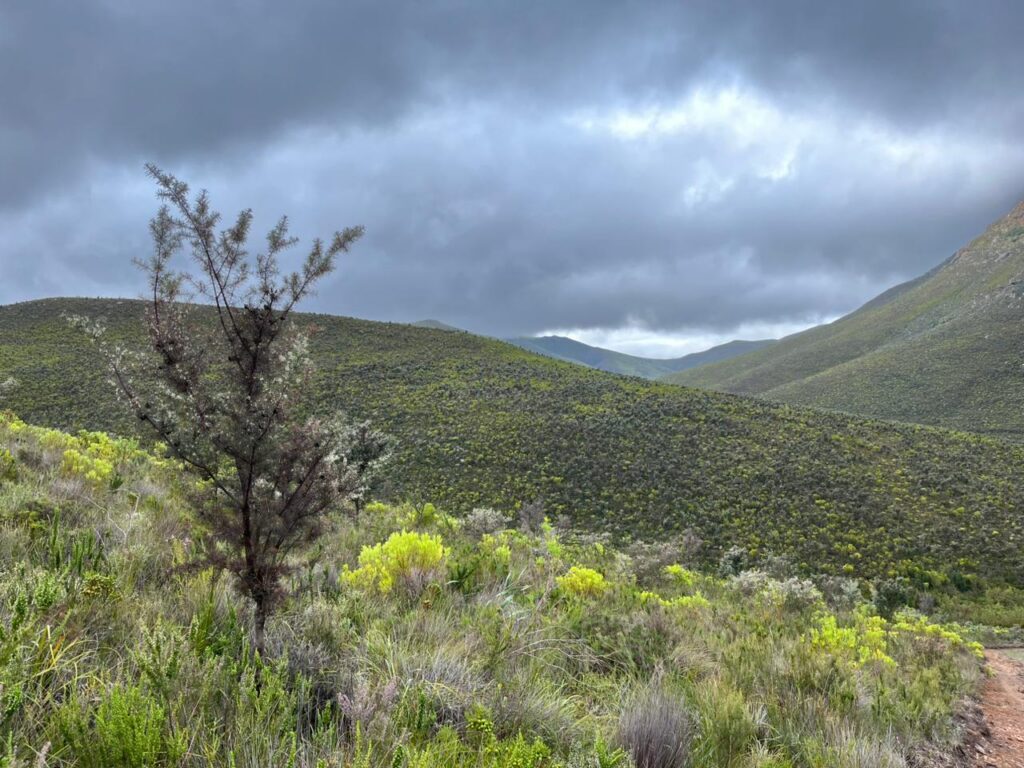
It is important to correctly identify Silky Hakea. It is a dense, evergreen shrub or small tree that typically grows between 2 and 5 metres in height, although larger specimens may occur. Its most distinctive feature is its rigid, needle-like leaves, which are dark green, sharply pointed, and unpleasant to handle without gloves.
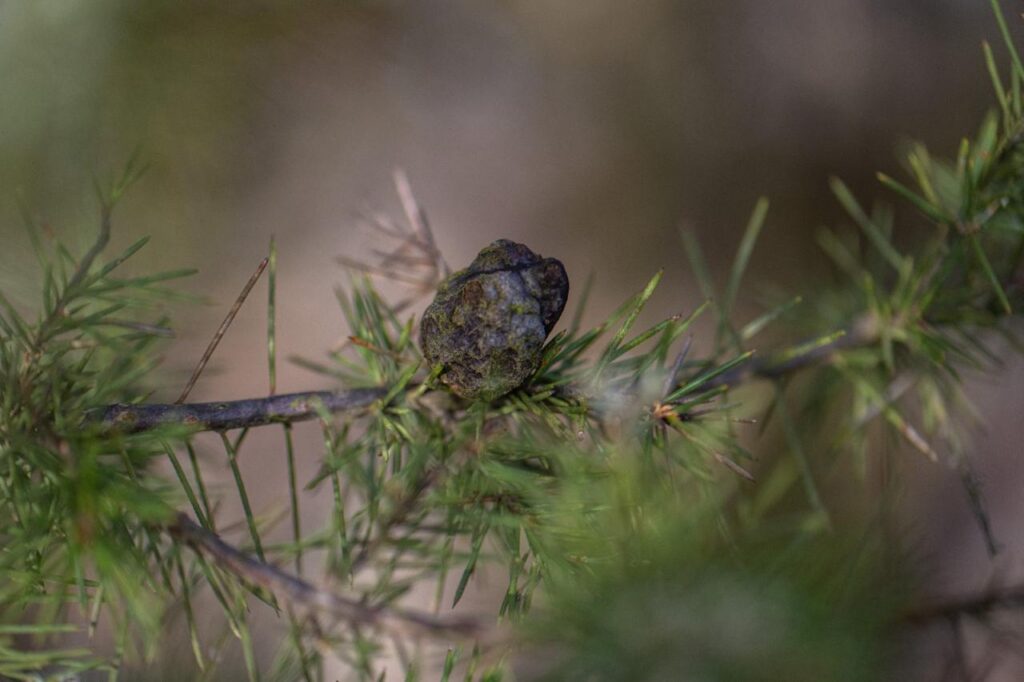
During winter and spring, silky hakea produces small white to cream-coloured flowers that grow in clusters along the stems. After flowering, the plant develops hard, woody seed pods that remain attached to the branches for many years. These pods are an important identifying feature and play a major role in the plant’s persistence. Following fire or plant death, the pods open and release large numbers of winged seeds.
The importance of Biological Control
Silky hakea produces a massive and long-lived seed bank, enabling it to rapidly re-establish after disturbances such as fire. Biological control helps specifically to reduce the plant’s ability to reproduce and spread over time but can also weaken and eventually kill individual plants.
Biological control agents attack different parts of the plant, including shoots, stems, fruits, and seeds, providing long-term suppression of infestations.
Types of Biocontrol Agents
Silky hakea biocontrol does not rely on a single agent. A fungal pathogen and three insect agents target different parts of the plant. Some weaken the plant itself, while others reduce its ability to produce viable seed. Together, these agents help slow the growth and spread of silky hakea populations.
Hakea Anthracnose Fungus
One of the most important biocontrol agents is the hakea anthracnose fungus (Colletotrichum acutatum f. sp. hakeae). Unlike the insect agents, which largely target reproduction, the fungus attacks the plant itself.
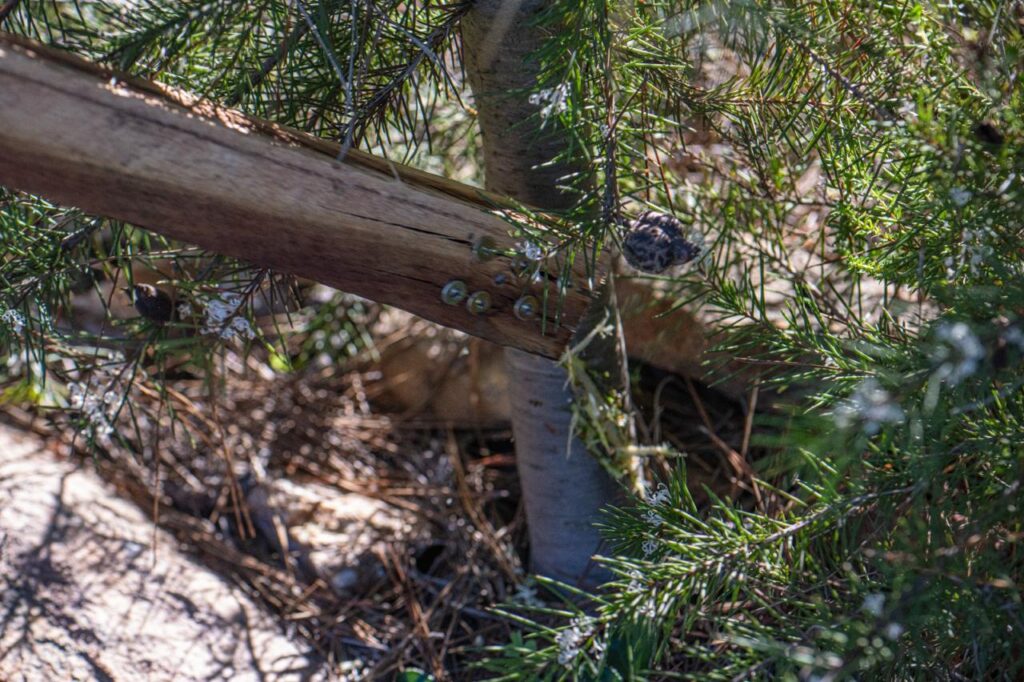
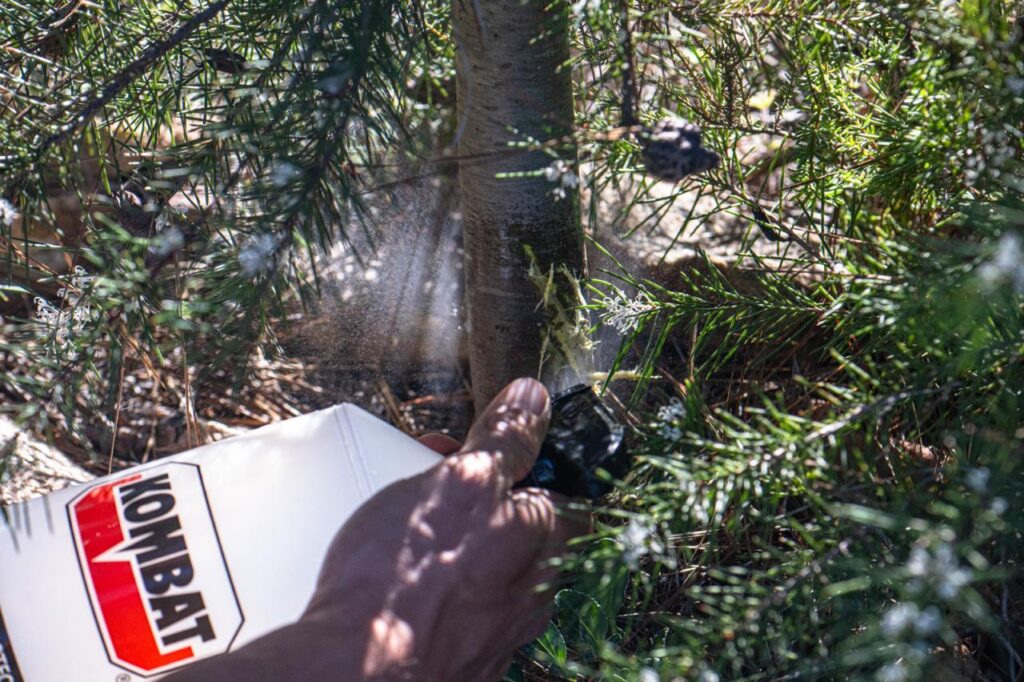
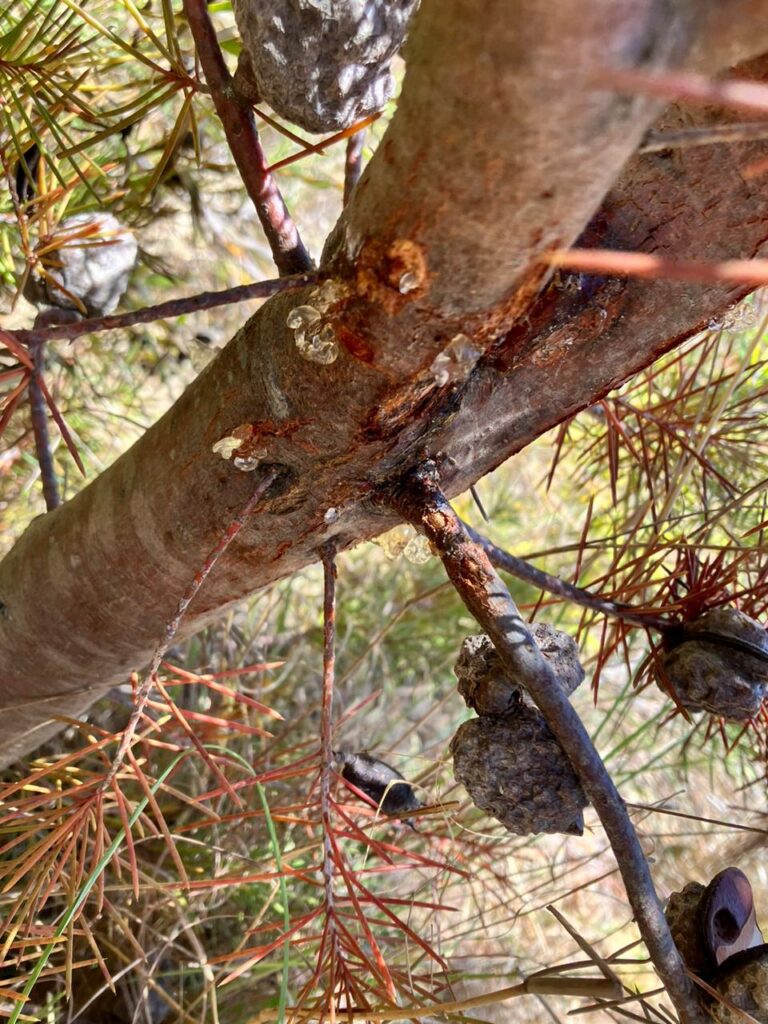
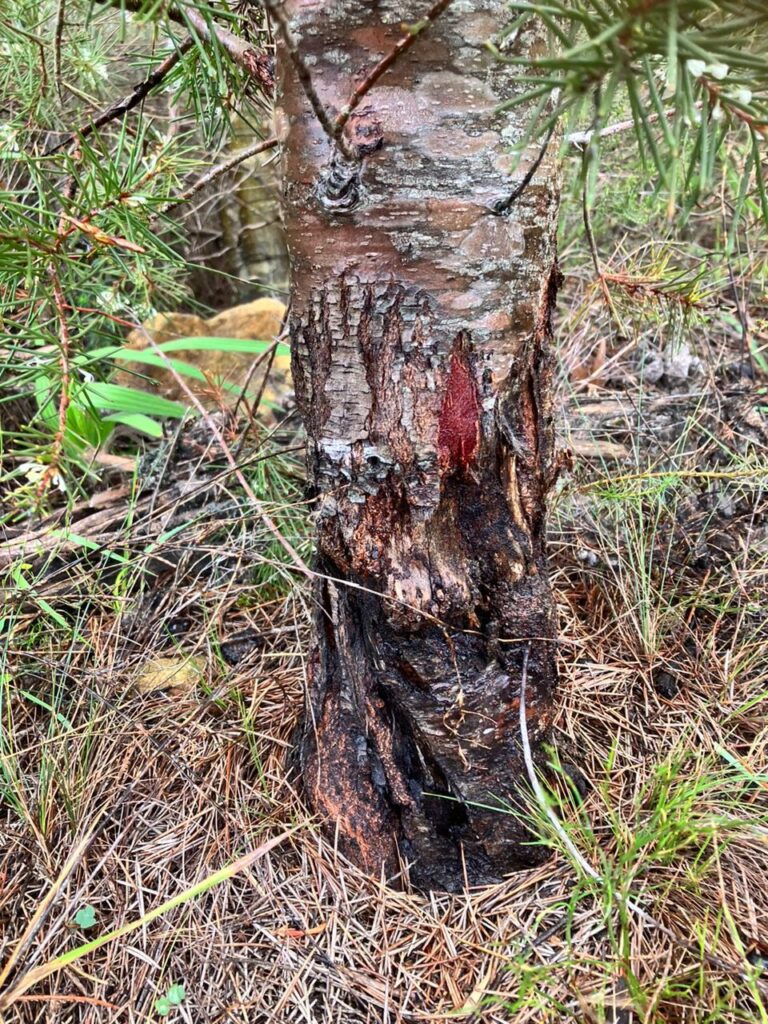
The fungus infects young shoots, leaves, flowers, branches and seedlings. Infection causes lesions on stems and branches, followed by dieback and a gradual loss of plant vigour. It can also reduce flowering and, particularly in younger plants, severe infection may eventually kill the plant.
This makes the fungus especially useful when combined with the insect agents: the fungus weakens the plant, while the insects help reduce its ability to reproduce and spread.
What does fungal infection look like?
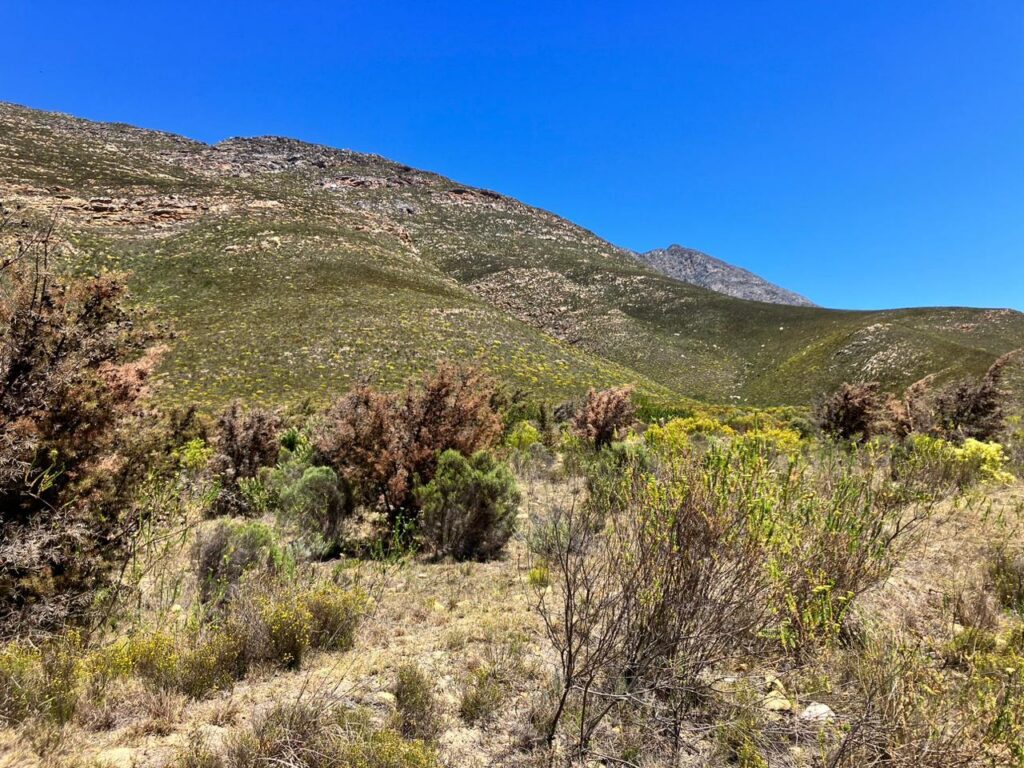
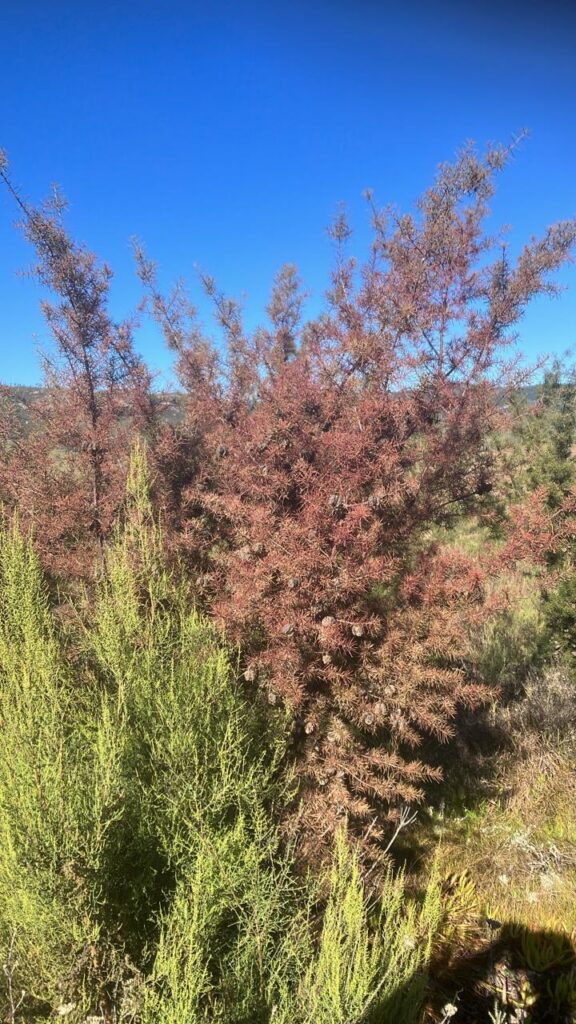
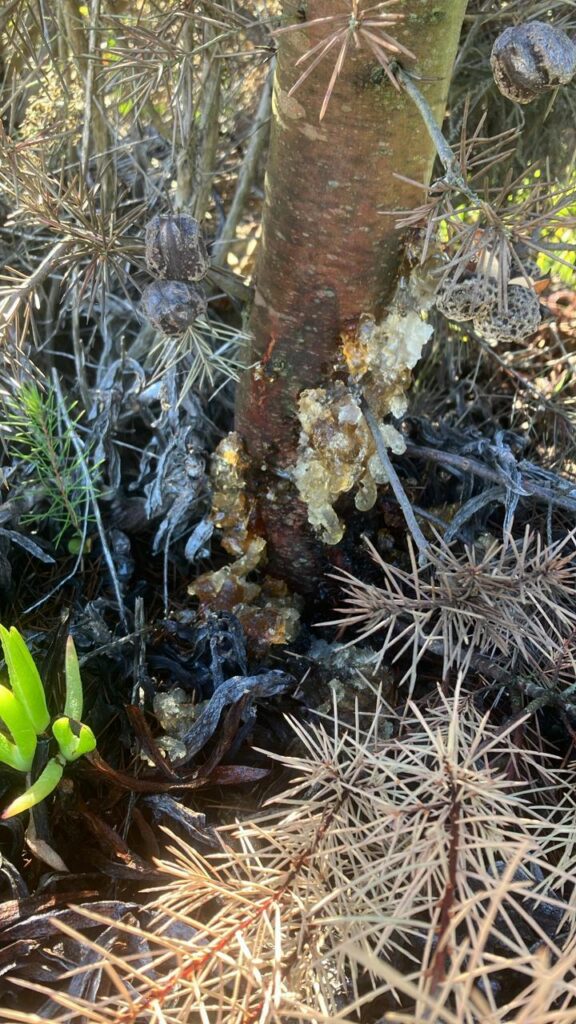
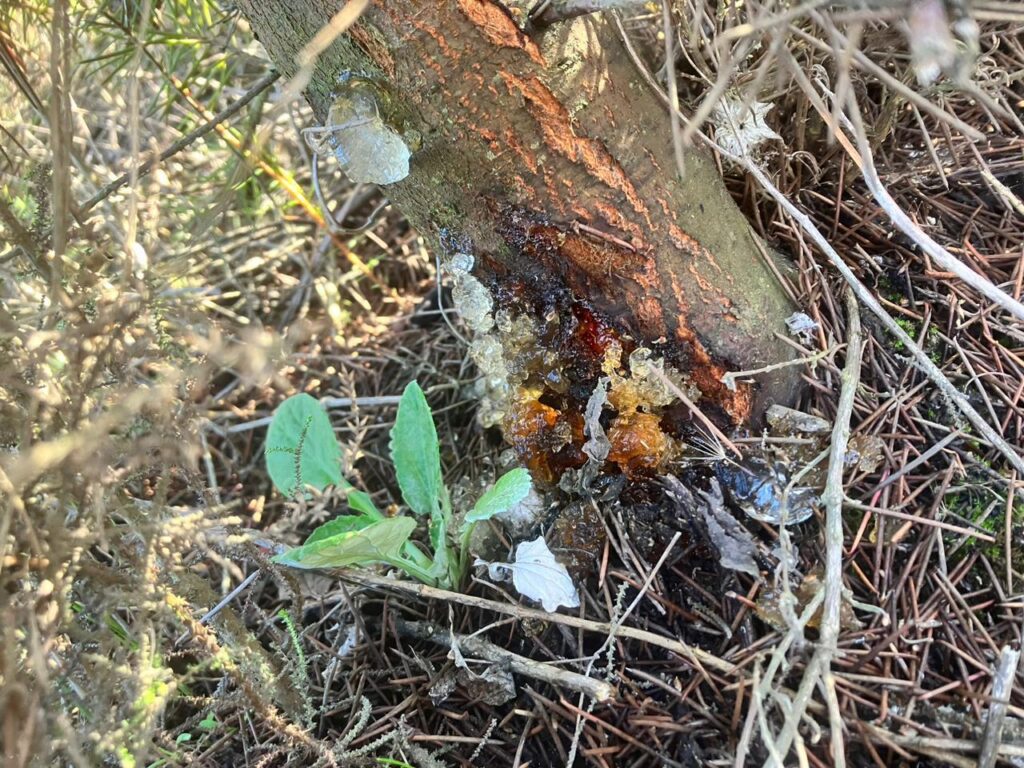
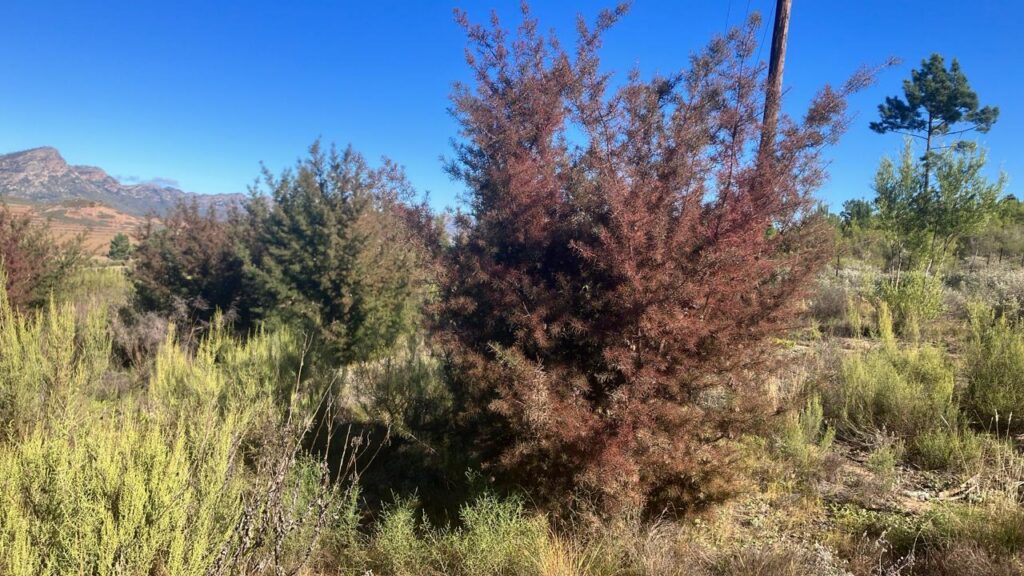
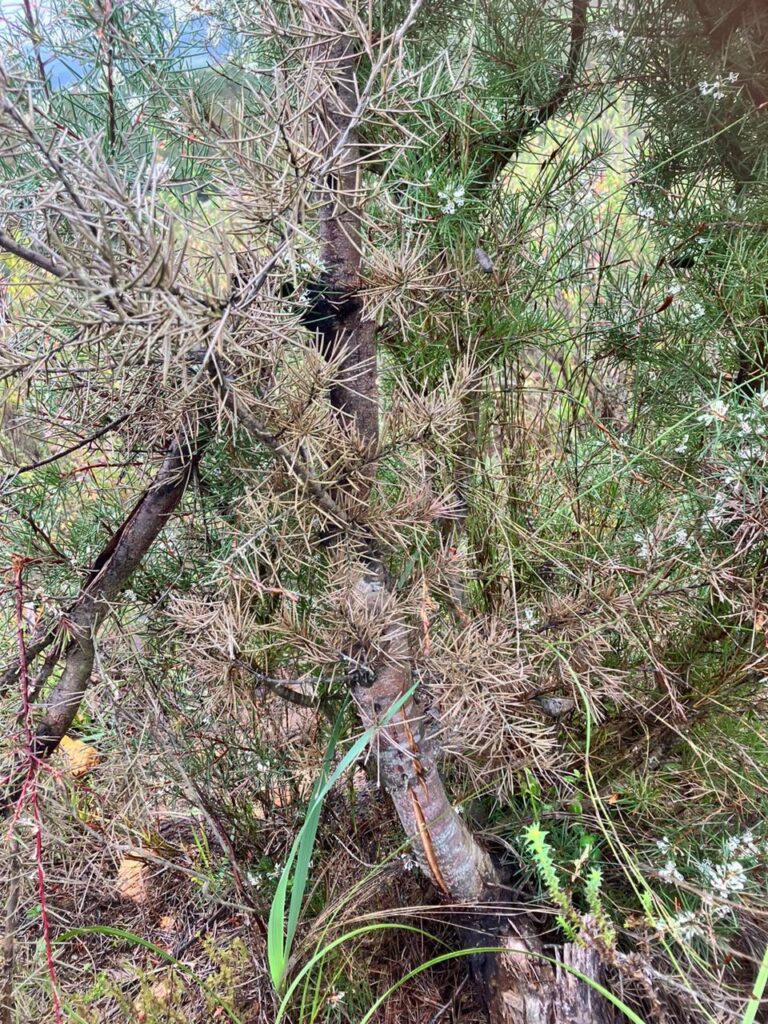
Landowners can help by keeping an eye out for signs that the fungus may already be active within silky hakea infestations. Look for:
- Brown or black lesions on stems and branches
- Dieback of growing tips
- Wilting or dying young growth
- Dead branches within the canopy
- Gum oozing from stems or branches
- A progressive decline in the overall health of the plant
Plants showing these symptoms may be worth retaining where safe and practical, as infected plants can help the fungus persist and spread within an infestation.
Insect Biocontrol Agents
Three insect biocontrol agents are also used against silky hakea. These agents can be more challenging for individual landowners to obtain, collect or redistribute, but each plays a different role in suppressing the plant.
1. Hakea Stem Weevil (Erytenna consputa)
The hakea stem weevil attacks the actively growing parts of the plant. Adults and larvae feed on stems and growing points, damaging young shoots and contributing to branch dieback.
Main target: stems and growing shoots
2. Seed-Feeding Moth (Carposina autologa)
The seed-feeding moth targets developing seed capsules. Its larvae enter the fruits and feed on the seeds before they mature. This reduces the number of viable seeds available to establish new silky hakea plants.
Main target: seeds
3. Hakea Fruit Weevil (Dicomada rufa)
The hakea fruit weevil attacks developing fruits and seeds. It complements the seed-feeding moth by further reducing successful seed production.
Main target: developing fruits and seeds
The value of using several biocontrol agents becomes clear when their roles are considered together. The fungus weakens the plant, the stem weevil damages new growth, and the seed- and fruit-feeding insects reduce the next generation of plants.
This combined pressure is particularly important for silky hakea because its persistent woody seed pods allow large quantities of seed to accumulate on mature plants. Reducing both plant vigour and seed production therefore helps limit reinvasion and supports longer-term management efforts.
How can you Promote Biocontrol in the Field
Biological control works best when land managers actively support the survival and spread of beneficial agents. Recommended Practices includes:
- Monitor infestations for signs of insect and fungal activity before clearing operations begin.
- Retain selected infestations where strong biocontrol populations are present, allowing agents to disperse naturally.
- Use integrated management approaches that combine:
- Biological control
- Mechanical clearing
- Follow-up seedling control
- Post-fire monitoring
- Work closely with organisations such as the Department of Forestry, Fisheries and the Environment and Gouritz Cluster Biosphere Reserve when planning control programmes.
- Allow naturally infected plants to remain in place were safe and practical, enabling the fungus to spread through the infestation.
What not to do:
✘ Broad-spectrum insecticide use in areas where biological control agents are active.
✘ Removing entire infestations before biological control populations have had an opportunity to establish and spread.
✘ Frequent fires that may reduce populations of beneficial insects.
✘ Fungicide applications in infestations where anthracnose disease is contributing to hakea suppression.
Biological control alone will not eradicate silky hakea. However, it is one of the most valuable tools available for reducing reinvasion and lowering the long-term cost of management. By combining insect agents, the hakea anthracnose fungus, and conventional clearing methods, land managers can achieve more sustainable control of this invasive species while helping to protect the unique biodiversity of the Western Cape’s fynbos ecosystems.
The success of silky hakea biocontrol demonstrates how carefully selected natural enemies can become powerful allies in restoring ecological balance and safeguarding South Africa’s natural heritage.