
By Halcyone Muller
The Southern Cape has always been shaped by climate. Farmers, land managers and rural communities depend on reliable rainfall, healthy soils, secure water supplies and functioning ecosystems. However, changing weather patterns are placing increasing pressure on agriculture through drought, heatwaves, floods, wildfires and shifting rainfall seasons. The Western Cape’s climate projections indicate continued warming, more frequent extreme weather events, longer dry spells, and increased pressure on water resources, all of which directly affect agricultural productivity and profitability.
For the Southern Cape, where agriculture, conservation and tourism are closely linked, climate change is not only a farming issue. It affects catchments, rivers, wetlands, biodiversity, rural livelihoods and local economies. The good news is that many of the actions that improve resilience to climate change also improve farm productivity, water security and long-term sustainability. The key is to start building resilience before the next drought, fire or flood arrives.
The Western Cape’s SmartAgri climate plan (https://greenagri.org.za/smart-agri/) makes one thing clear: climate change is no longer a future concern, it is already shaping how we farm, manage land, and use water. For farmers and land managers in the Southern Cape, the key message from the SmartAgri climate plan is resilience, and here is how youcan and should help.
1. Every Drop of Water Counts
Water security is identified as one of the biggest risks facing agriculture. Improving irrigation efficiency and monitoring water use are important, but water security starts beyond the farm dam. Healthy mountain catchments, rivers and wetlands influence how water is captured, stored and moved through the landscape.
Managing invasive alien plants is also critical. Dense infestations place additional pressure on water resources and affect catchment functioning. Clearing invasive plants, protecting wetlands and rivers, and rehabilitating degraded areas can therefore contribute to both farm and catchment resilience.
Water security starts with looking after the landscape that supplies the water.

2. Healthy Soils Are Climate Insurance
Healthy soil is one of the best defences a farm has against climate variability.
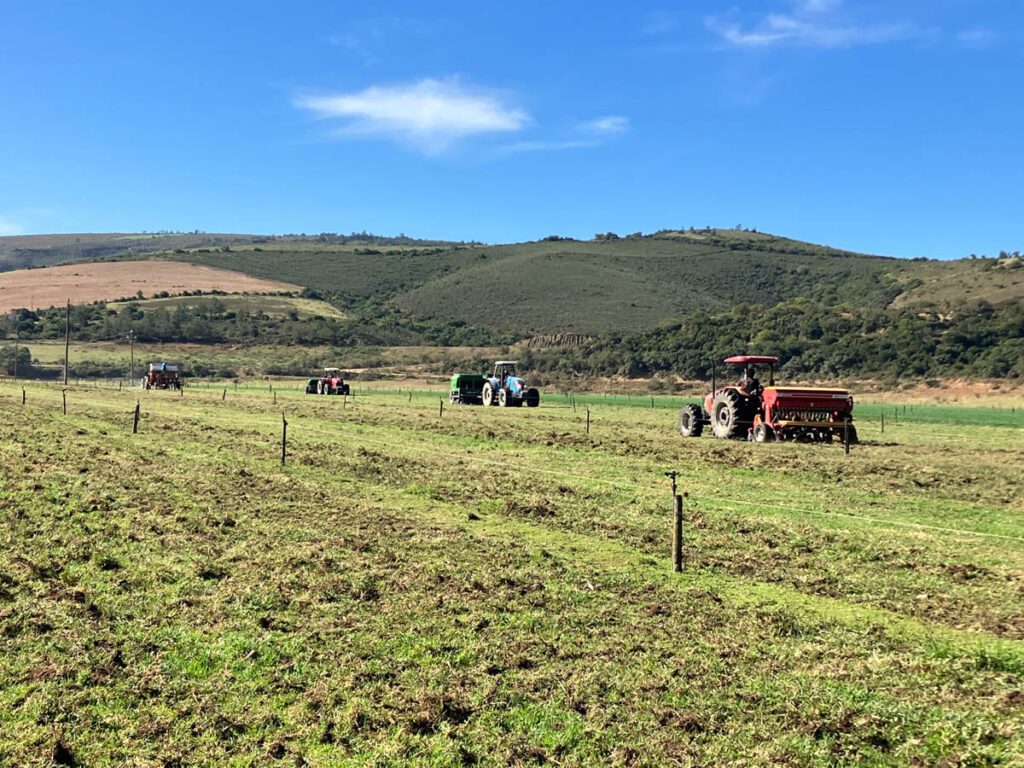
Soils with good structure and organic matter can absorb and retain more water, helping crops and grazing withstand dry periods. Maintaining vegetation or crop cover also protects soil from erosion, high temperatures and moisture loss.
Conservation Agriculture practices such as minimum soil disturbance, permanent soil cover and diverse crop rotations can improve soil health and water retention.
These benefits are equally important when heavy rain arrives. Healthy, well-covered soils allow more water to infiltrate, while bare and degraded soils are more vulnerable to runoff and erosion.
Protecting soil today is an investment in the farm’s ability to cope with future droughts and extreme rainfall.
3. Protect Your Natural Infrastructure
Wetlands, rivers, natural vegetation and healthy catchments are sometimes described as natural infrastructure because of the services they provide to people and agriculture.
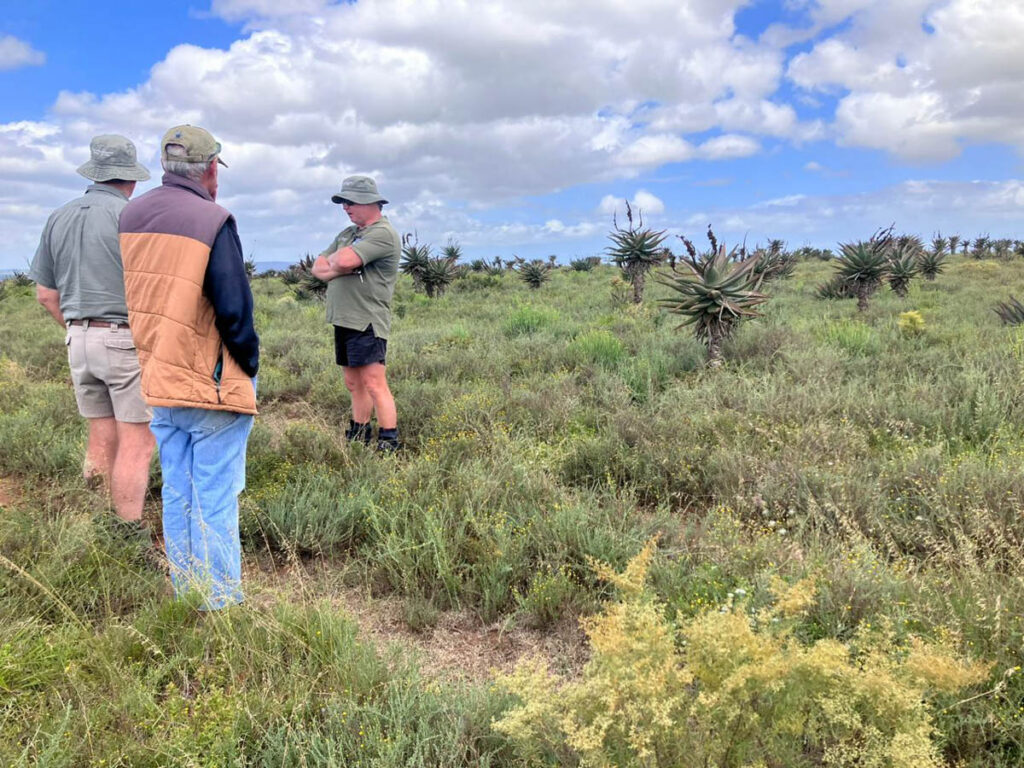
Wetlands can store and slowly release water, natural vegetation protects soils, and healthy riparian areas help stabilise riverbanks. These systems also provide habitat for wildlife and support biodiversity across agricultural landscapes.
Protecting these areas can complement built infrastructure such as dams and irrigation systems. Where natural areas have been degraded, actions such as erosion control, invasive alien plant clearing and rehabilitation with indigenous vegetation can help restore their function.
Maintaining natural areas on farms is therefore not only about conservation; it can contribute directly to the resilience of the farming system.

4. Prepare for More Extreme Weather
The plan highlights the need for proactive disaster preparedness. Farmers can improve resilience through drought planning, maintaining appropriate firebreaks, protecting infrastructure, monitoring water availability and identifying areas particularly vulnerable to erosion or flooding.
Fire preparedness is especially important in the Southern Cape. Invasive alien plants can contribute to problematic fuel loads, while fires can stimulate the germination and spread of some invasive species. Monitoring and follow-up clearing after fire should therefore form part of longer-term management.
The important principle is simple: prepare during the good years rather than waiting for the emergency.
5. Invest in Climate-Smart Farming
Technology and innovation will increasingly help farmers respond to changing conditions.
Improved weather information, soil-moisture monitoring, precision irrigation, renewable energy and more efficient use of water and energy can all improve resilience. Climate-resilient crop varieties and livestock management practices may also become increasingly important.
Innovation does not necessarily have to be expensive or complicated. Even better record keeping and using weather information to guide management decisions can help farmers respond more effectively to changing conditions.
The goal is to use available information and technology to make better decisions with fewer wasted resources.
6. Work Across Farm Boundaries
Climate change does not recognise property boundaries.
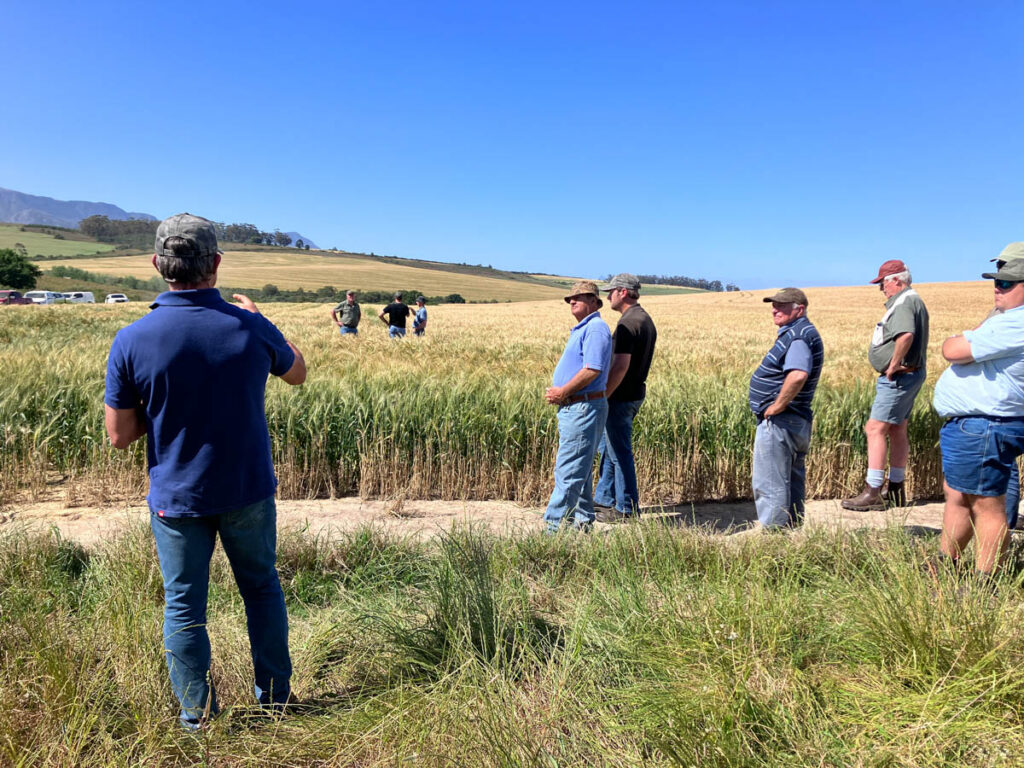
Water flows between farms, fires move across landscapes, invasive alien plants spread between neighbouring properties, and wildlife depends on connected natural areas. This means many climate challenges are better addressed collaboratively.
Neighbouring landowners, conservancies and other partnerships can coordinate invasive alien plant clearing, fire management, erosion control and the protection of rivers and wetlands.
Protecting ecological corridors and participating in biodiversity stewardship can also help maintain connected landscapes. As temperatures and rainfall patterns change, these connected natural areas become increasingly important for allowing species and ecosystems to respond.
Building climate resilience therefore requires us to think not only about individual farms, but about the wider landscape.
The Opportunity
Climate change presents significant challenges, but farmers and land managers are not powerless.
The Southern Cape has a strong agricultural foundation, experienced farmers, exceptional biodiversity and valuable natural resources. By working together to improve soil health, securing water resources, restoring landscapes, protecting natural infrastructure, controlling invasive alien plants and preparing for extreme events by embracing climate-smart farming, farms can become more resilient to changing conditions.
Importantly, we do not always have to choose between agricultural production and conservation. Healthy soils support production. Healthy catchments support water security. Well-managed natural vegetation protects biodiversity, and coordinated invasive alien plant and fire management protects both farms and the wider landscape.
The best time to build resilience is before the next drought, flood, or wildfire arrives, while also planning for post-disaster recovery to ensure a faster and more sustainable return to productivity.