
By Antonnet Botha
Wetlands are some of the hardest-working ecosystems on Earth, and yet they’re often the easiest to overlook. They don’t always shout for attention, but they quietly clean our water, reduce floods, store carbon, and provide safe havens for an incredible variety of life.
Every year on 2 February, World Wetlands Day is celebrated globally under the United Nations’ Ramsar Convention on Wetlands. The day reminds us that wetlands are essential not only for nature, but for people too. Wetlands sustain biodiversity, storing carbon, supporting livelihoods, and protecting communities from floods.
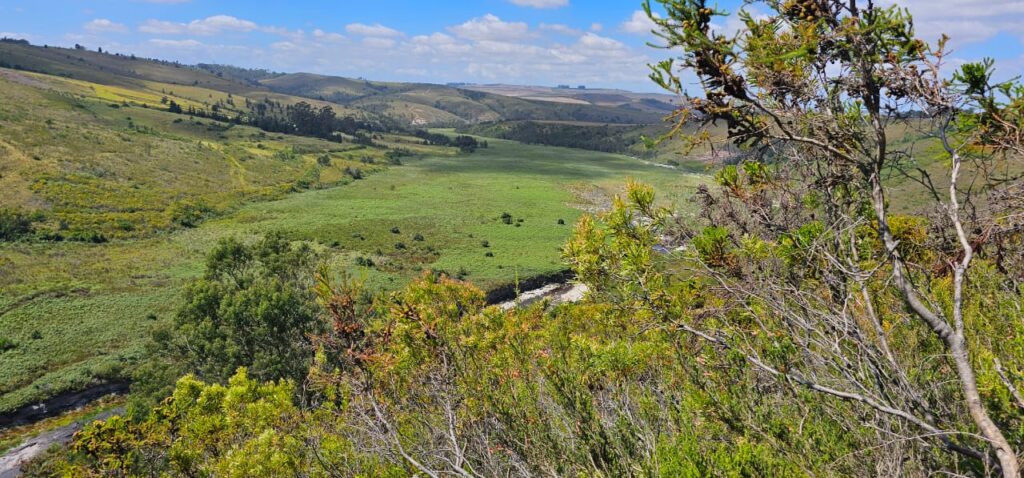
In the Gouritz Cluster Biosphere Reserve (Gouritz Region), wetlands are living systems that connect mountains, rivers, estuaries, and coasts, providing essential services to both nature and people. This year, we reflect on why wetlands matter, the threats they face, and how communities and young learners can help protect them.
What Makes Wetlands So Important?
Wetlands are areas of land where water covers the soil for part or all of the year. They include rivers, streams, estuaries, marshes, peatlands, and coastal wetlands. In South Africa, wetlands:
- Support biodiversity: They are home to birds, fish, amphibians, reptiles, mammals, and plants, including rare or endangered species. For example, freshwater wetlands host dragonflies (Anisoptera), mayflies (Ephemeroptera), snails, and freshwater crabs, all of which indicate water quality.
- Filter and store water: Wetlands remove pollutants and excess nutrients, improving water quality downstream.
- Regulate floods and erosion: Acting like natural sponges, wetlands absorb and slowly release water, reducing the impact of heavy
- Store carbon: Peatlands and marshes sequester carbon, helping mitigate climate change.
The United Nations Ramsar Convention on Wetlands recognises the global importance of these ecosystems, highlighting their role in supporting both human and environmental wellbeing. UNESCO also emphasises the value of wetlands within Biosphere Reserves, where conservation and sustainable use coexist.
Wetlands and Communities in the GCBR
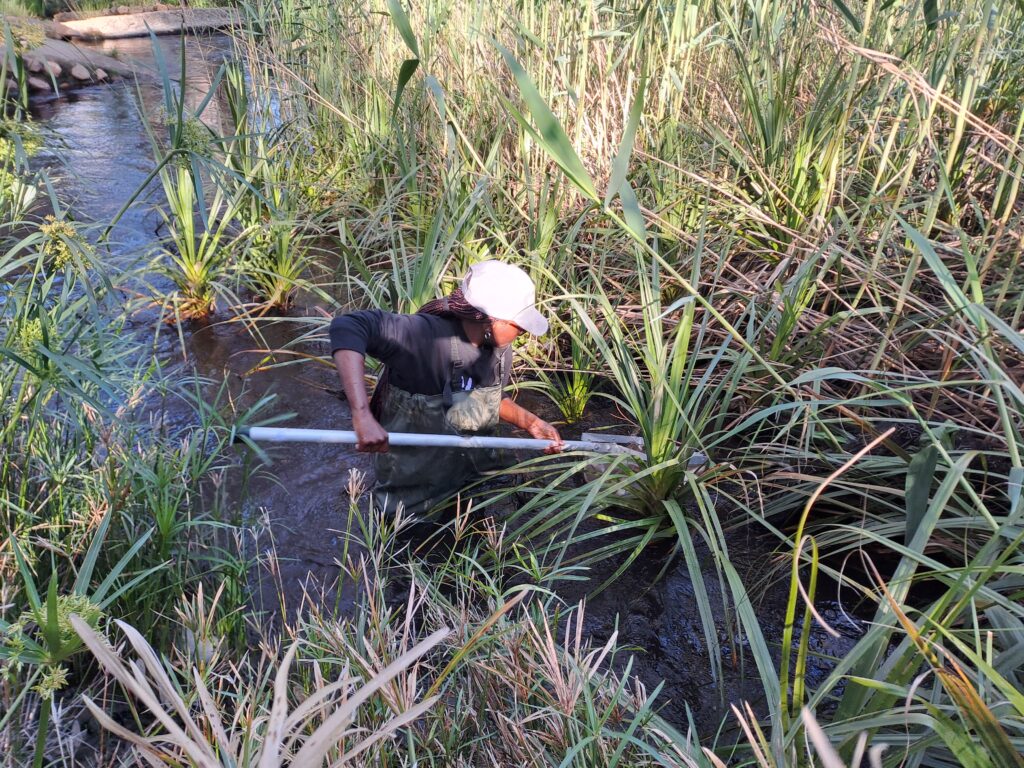
In the Gouritz Region, wetlands are more than ecological treasures; they sustain communities. They provide grazing lands, cultivation areas, fishing spots, and spaces for recreation, learning, and cultural practices. By exploring wetlands and observing aquatic life, local communities gain hands-on experience in environmental stewardship through activities like MiniSASS (Stream Assessment Scoring System) help learners understand how river and wetland health are interconnected.
This engagement nurtures a new generation of wetland champions, echoing UNESCO’s call for education as a key tool in environmental conservation.
Threats and Challenges
Despite their importance, wetlands are under pressure. The UN reports that wetlands are being lost faster than any other ecosystem globally. In the Gouritz Region, wetlands face:
- Pollution from agricultural runoff and wastewater
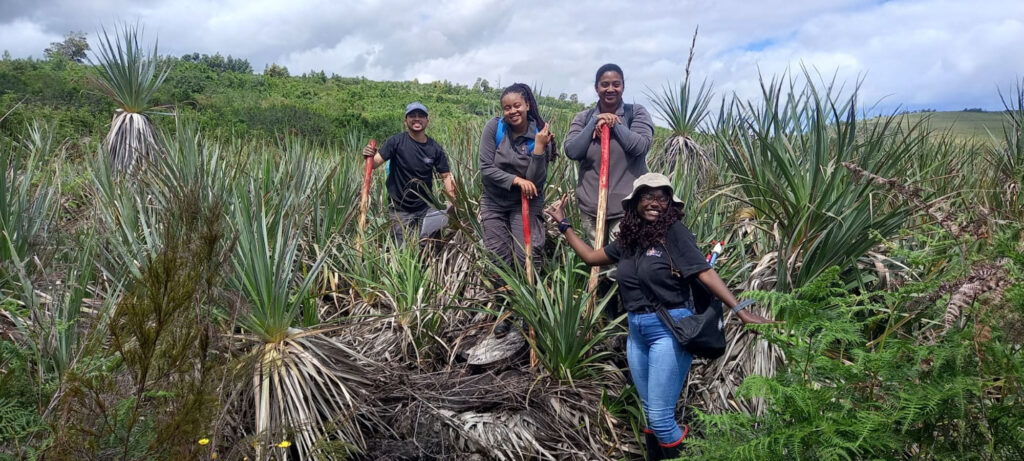
- Invasive alien plants, which compete with native vegetation
- Unsustainable land use and climate change, affecting water flow and habitat integrity
Addressing these threats requires collaboration between municipalities, conservation organisations, scientists, volunteers, and local communities.
How You Can Help
Protecting wetlands is a shared responsibility. Actions you can take include:
- Learn more: Explore wetlands with local guides or school programmes and read about the species and ecosystems they support.
- Conserve water: Every drop counts. Turn off taps when not in use and avoid waste.
- Reduce pollution: Keep rivers and wetlands free from litter and chemicals.
- Plant native vegetation: Support restoration projects and create wildlife-friendly gardens.
- Get involved: Volunteer with local environmental initiatives, such as GCBR’s Friends of the Biosphere.

Insights from Dr. Donovan Kotze: The Value of Wetlands
Dr Donovan Kotze, GCBR Advisor and wetland ecologist, reminds us that wetlands are more than just waterlogged land; they are dynamic ecosystems where plants, water, soil, and people intersect. “Wetlands are living systems that sustain life, regulate water, and provide a host of benefits to society,” he says.
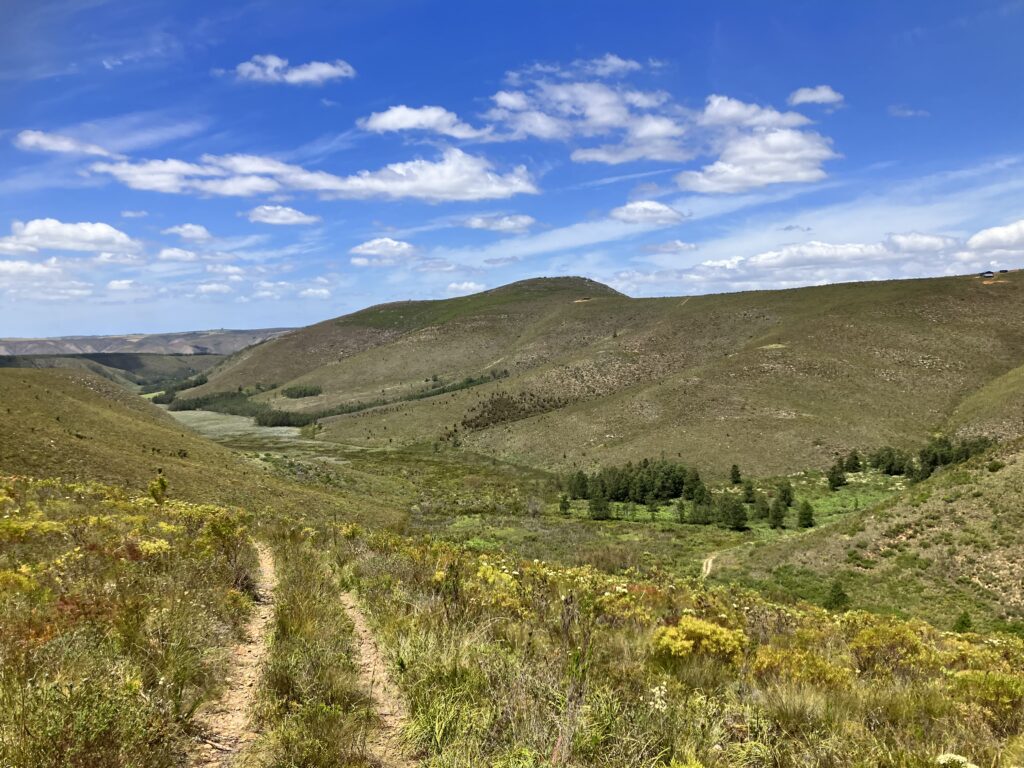
Dr Kotze highlights that mountain wetlands in the GCBR are particularly special. These include hillslope seep wetlands and valley-bottom wetlands, which are adapted to the region’s unique terrain and climate. “These wetlands are incredibly diverse and resilient,” he notes, “but they are also vulnerable to invasive alien plants and unsustainable land use. Protecting them requires understanding, care, and collective action.”
He also emphasises the human dimension: wetlands have historically supported livelihoods, from grazing and cultivation to fishing and cultural practices, and they continue to offer spaces for recreation, learning, and inspiration. According to Dr Kotze, by combining science, policy, and community engagement, we can both preserve wetland ecosystems and benefit the people who depend on them.

Key Takeaways
Wetlands are life-giving systems that sustain water, biodiversity, and communities. On this World Wetlands Day, let’s celebrate these quiet heroes of our landscape and commit to protecting them for generations to come.