
By GCBR Freshwater Conservation Coordinator ,Nelisiwe Khusi and GCBR MAB Youth, Shannon Johannes, Faith van Aswegen, and Ashanti Erasmus
Over the past year, our MAB Youth have become more involved in freshwater monitoring, creating opportunities to build practical skills, gain experience, and contribute to our conservation work. They have taken part in fieldwork, supporting data collection and river health assessments.
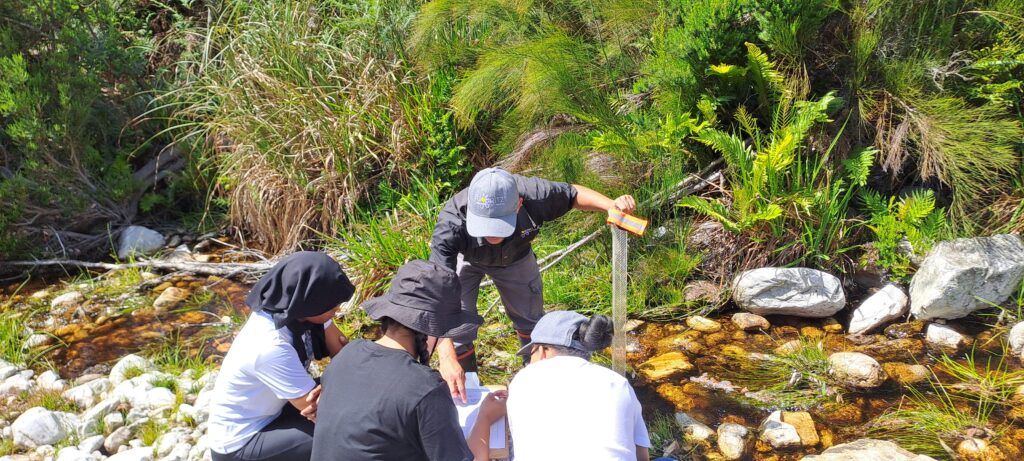
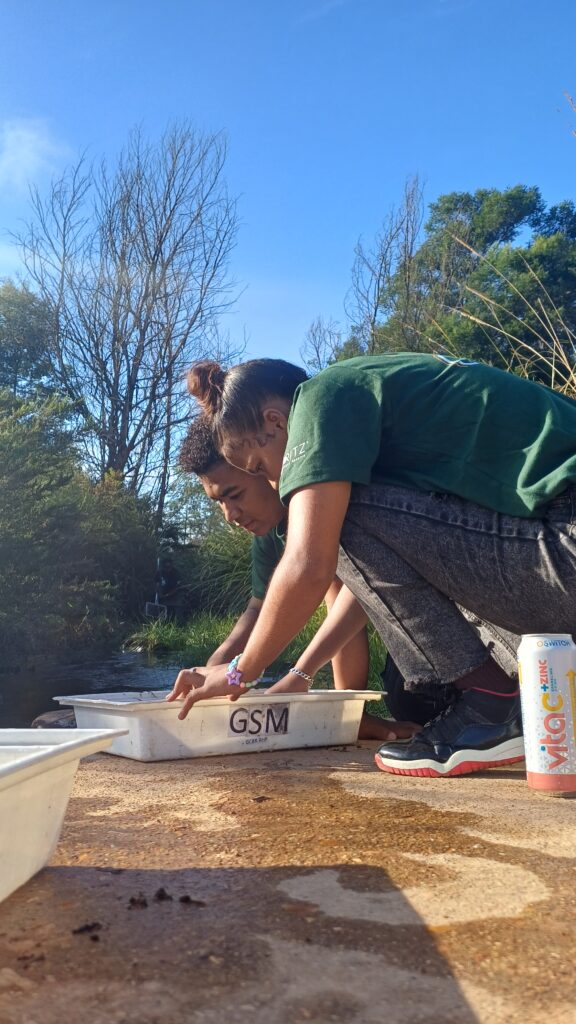
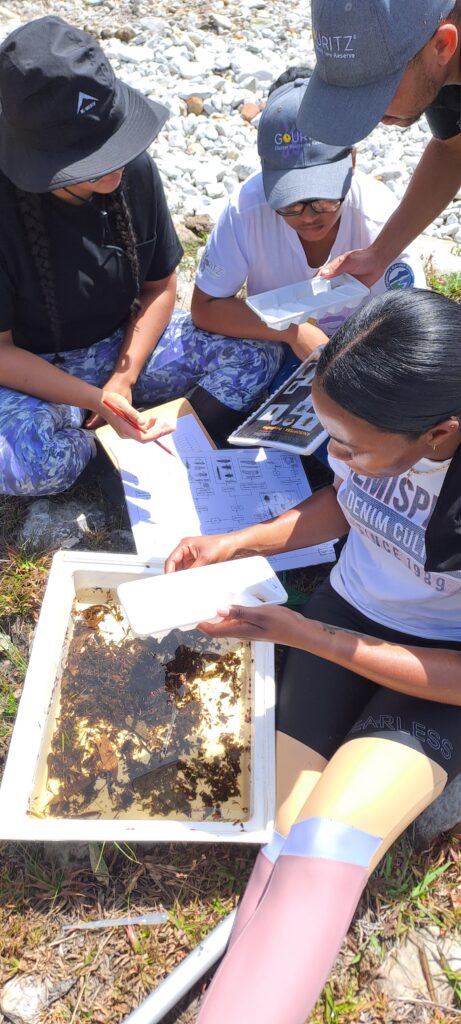
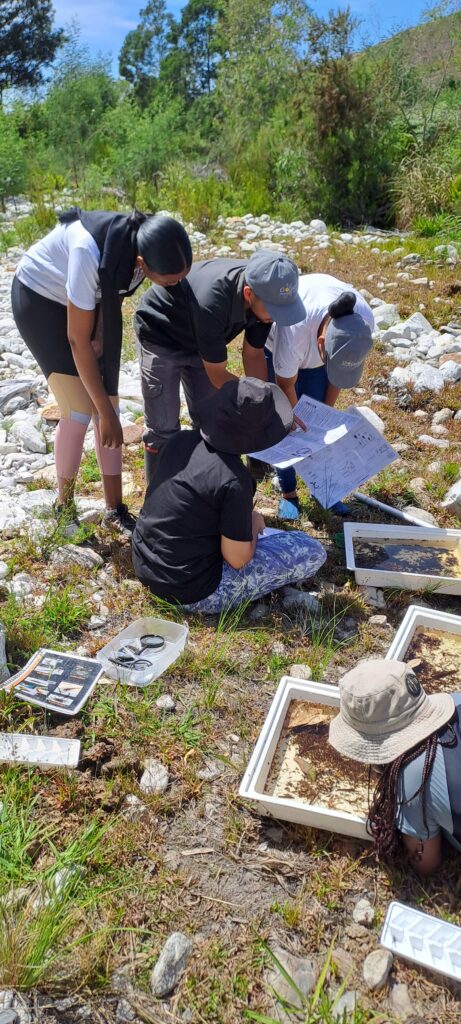
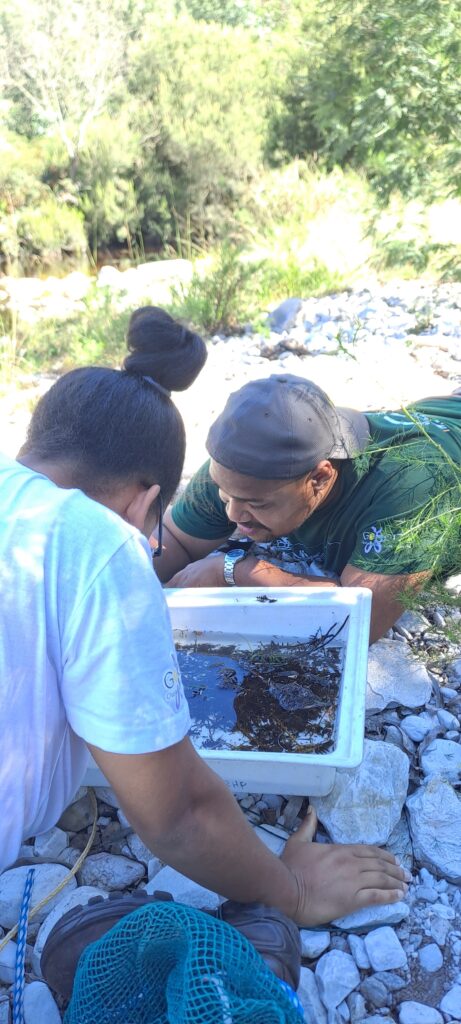
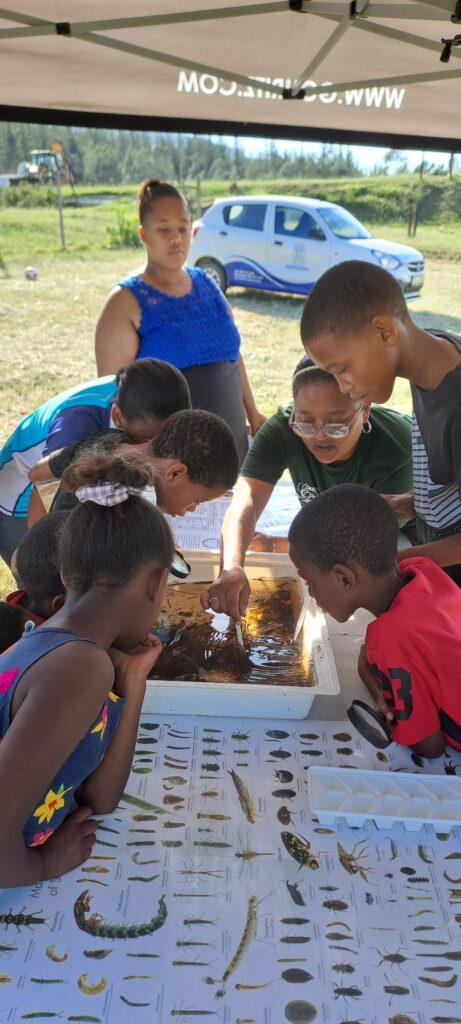
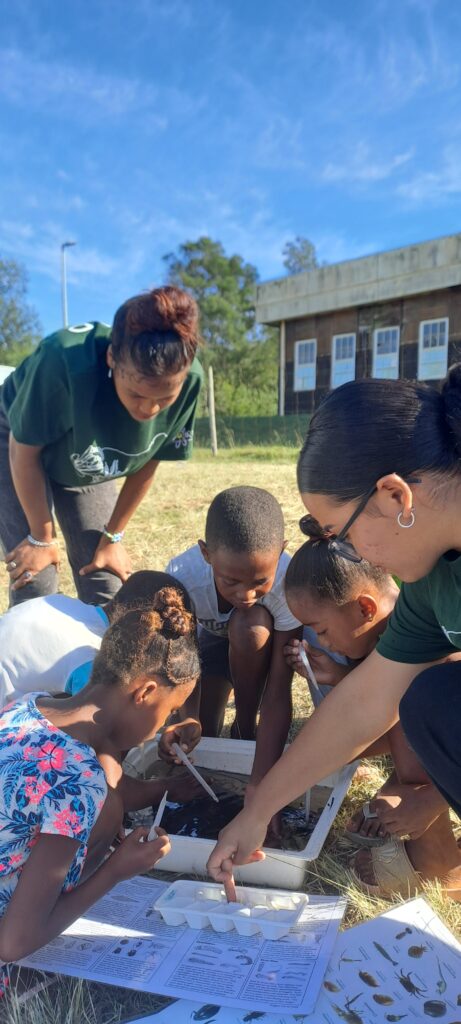
They have learned to use citizen science tools to analyse river health. Using miniSASS, they were trained to assess river conditions by identifying aquatic macroinvertebrates and understanding their sensitivity to disturbances. They also learned about collecting in-situ water-quality parameters and how to use the Clarity Tube as a simple citizen science tool to monitor water clarity, an indicator of total suspended solids. This hands-on experience has been important in building confidence to work in freshwater environments.
In addition, they have been exposed to fish monitoring activities, where they are learning about indigenous freshwater fish and the importance of habitats and surrounding indigenous fynbos systems. This has helped them understand the link between healthy river systems and healthy surrounding ecosystems.
We have worked across different river systems, and through this exposure, they have developed a better understanding of how land use, flow dynamics, and surrounding activities influence river health.

Environmental Education and Community Engagement
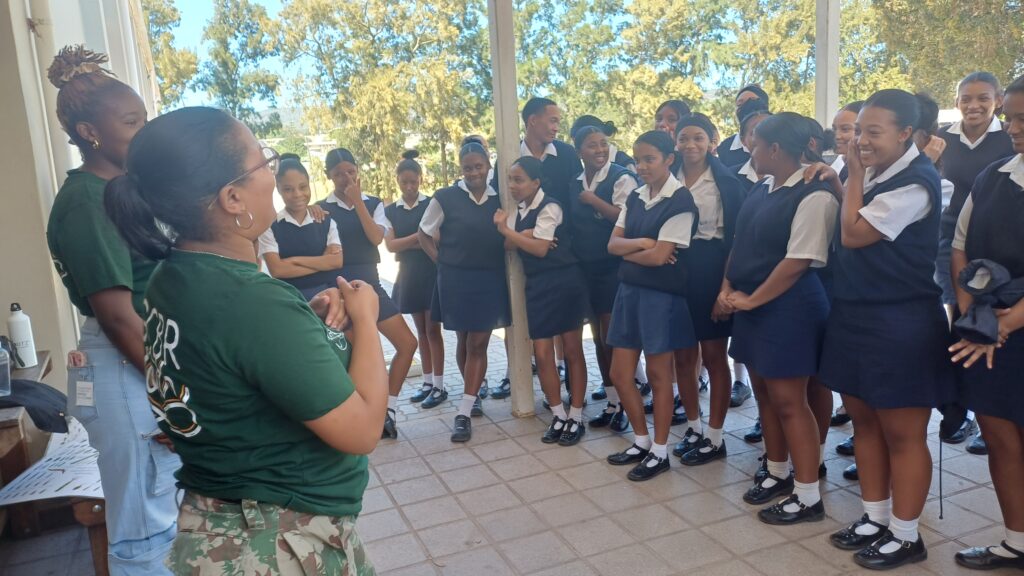
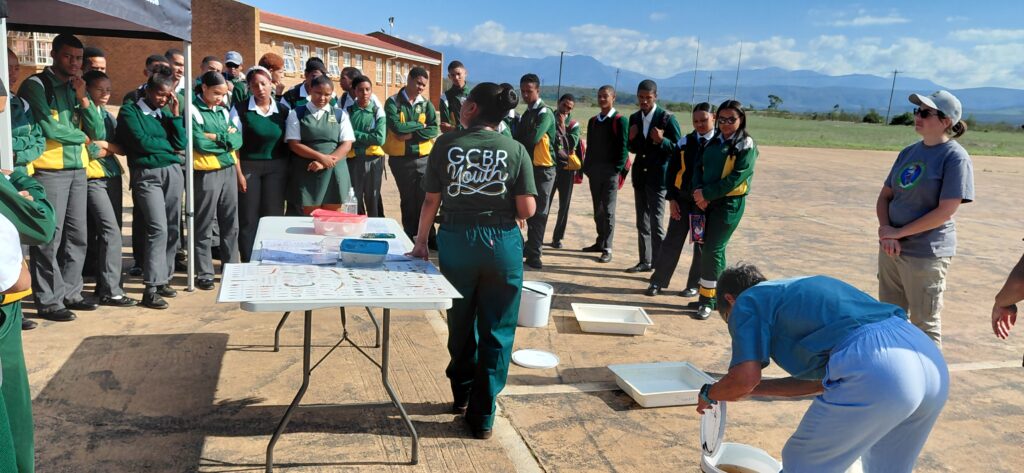
In addition to fieldwork, the MAB Youth have been involved in environmental education. They have supported and participated in miniSASS sessions with schools and community groups, helping to raise awareness about our freshwater ecosystems.
These activities have focused on:
- Introducing learners to citizen science tools
- Demonstrating how to assess river health
- Encouraging environmental awareness
- Building connections between communities and their local rivers
Through this work, GCBR’s MAB Youth members are not only sharing knowledge but also developing their communication and facilitation skills, equipping them for potential careers in environmental conservation or education. Through ongoing training and hands-on experience, this helps create pathways to employment.
Training and Skills Development
To strengthen their knowledge and skills, eight MAB Youth members completed the River Water Monitoring Course through Atlas. The course supported their understanding of citizen science and provided a stronger foundation in freshwater monitoring. It also helped connect theory with the fieldwork they are already involved in, particularly in relation to river health and the importance of accurate data collection.
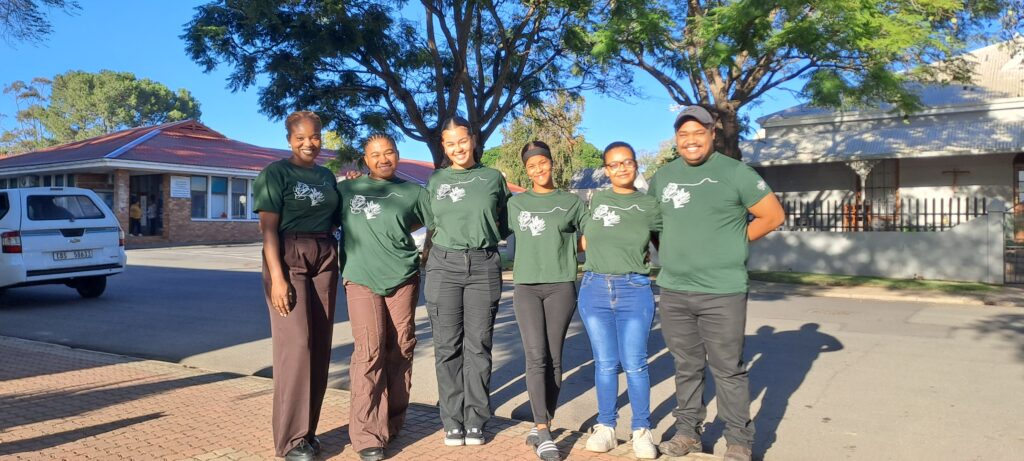
Here is a reflection compiled by GCBR MAB Youth members, Shannon Johannes, Faith van Aswegen, and Ashanti Erasmus.
On the 5th of December 2025, we had the opportunity to complete a River Monitoring course alongside an online Agroecology course. Together, these experiences strengthened our understanding of freshwater ecosystems, sustainable farming, and environmental responsibility.
During the River Monitoring course, we participated in a miniSASS assessment under the guidance of Purnille Albertyn and Nelisiwe Khusi. Using a kick net, we collected aquatic macroinvertebrates and scored them for their sensitivity to pollution to assess river health. This practical method showed us how living organisms can reflect changes in their environment.
We also used tools such as the Clarity Tube and Velocity Plank, and measured water quality parameters such as pH, dissolved oxygen, turbidity, temperature, and nutrients. These activities helped us understand how biological, physical, and chemical factors work together to indicate the condition of a river system.
River monitoring is important for protecting aquatic life, supporting human health, and sustaining livelihoods. It also reminded us that monitoring is not only for scientists, but for anyone who cares about the health of our waterways.
The Agroecology course deepened our understanding of soil as a living system and the foundation of healthy plants. Through soil training and planting, we learned the importance of composting, mulching, biodiversity, water conservation, and responsible land preparation. Applying these practices showed us how intentional and sustainable actions can support long-term growth and food security.
Together, these experiences strengthened our commitment to working with nature. We learned that protecting our rivers and soil means protecting our future.