by Leila Moosajee, GCBR Youth Coordinator
What happens when you combine river health, museum artefacts, and 110 curious Grade 7s? A day of hands-on learning that brought science, culture, and heritage straight to the schoolyard.
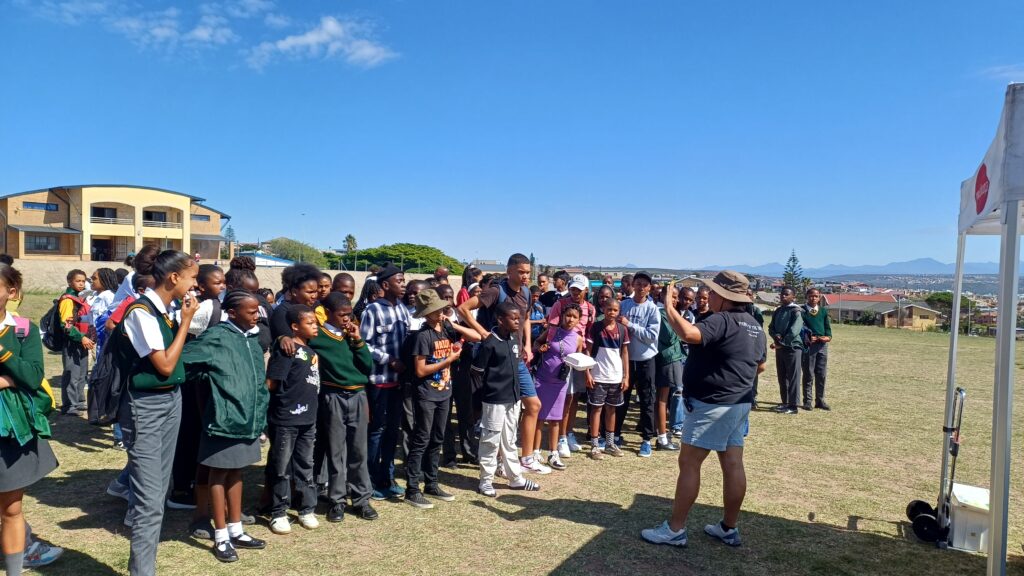
Earlier this year, Ridgeview Primary School was the stage for a collaborative outreach programme between Gouritz Cluster Biosphere Reserve (GCBR), and Iziko Museums of South Africa’s Mobile Museum with assistance from interns from both Mossel Bay Municipality and GCBR MAB Youth members. The goal: take environmental education and museum experiences directly to learners who might not otherwise have access.


Learning From the Land and Water
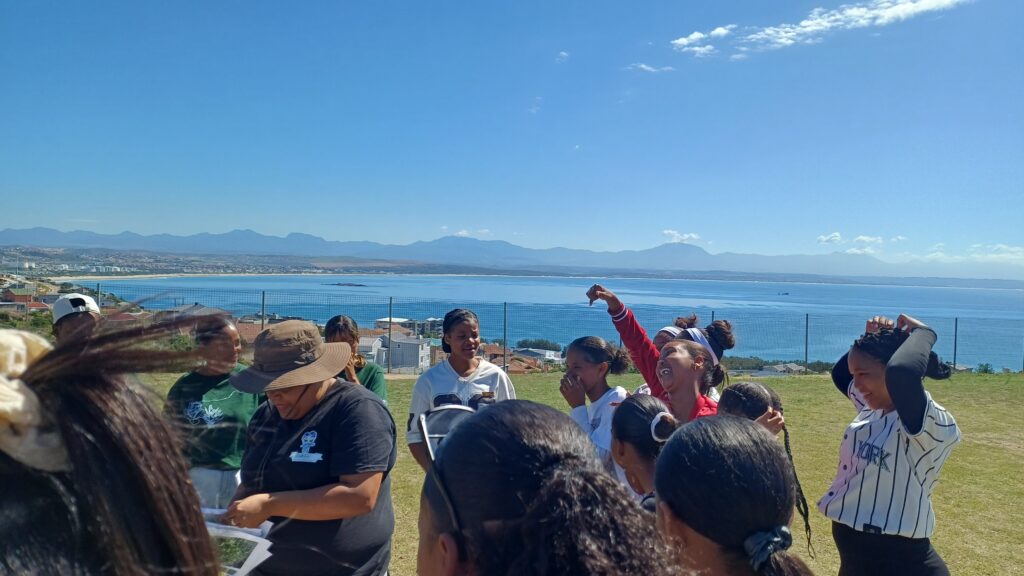
The morning kicked off with Leila Moosajee, GCBR Youth Coordinator, getting learners to think about the rivers in their own backyard. Her presentation unpacked why healthy rivers matter and how alien invasive plants quietly choke our water systems. For many learners, it was the first time connecting the plants they see every day to the health of their catchment.

Bringing the Museum to the People
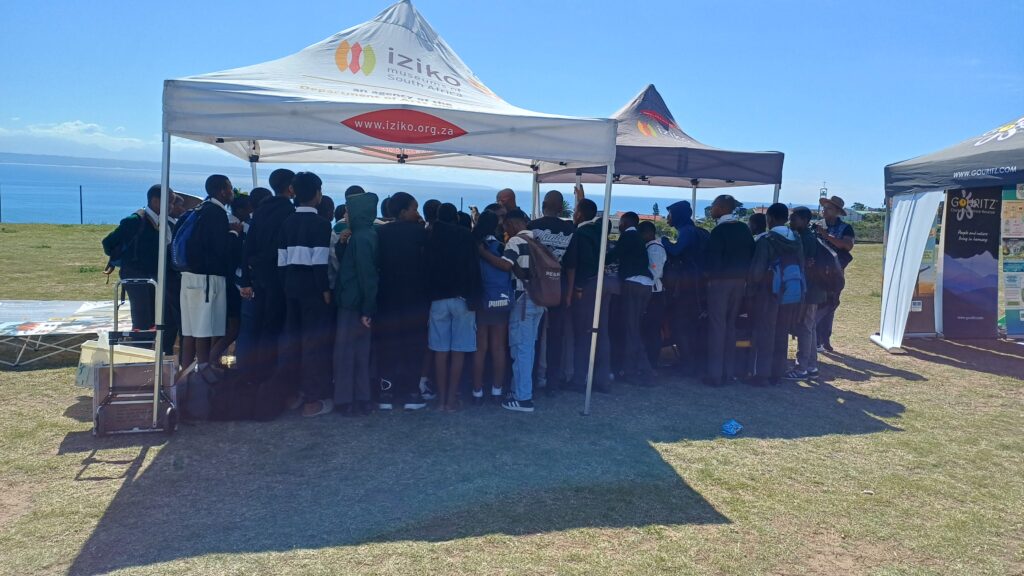
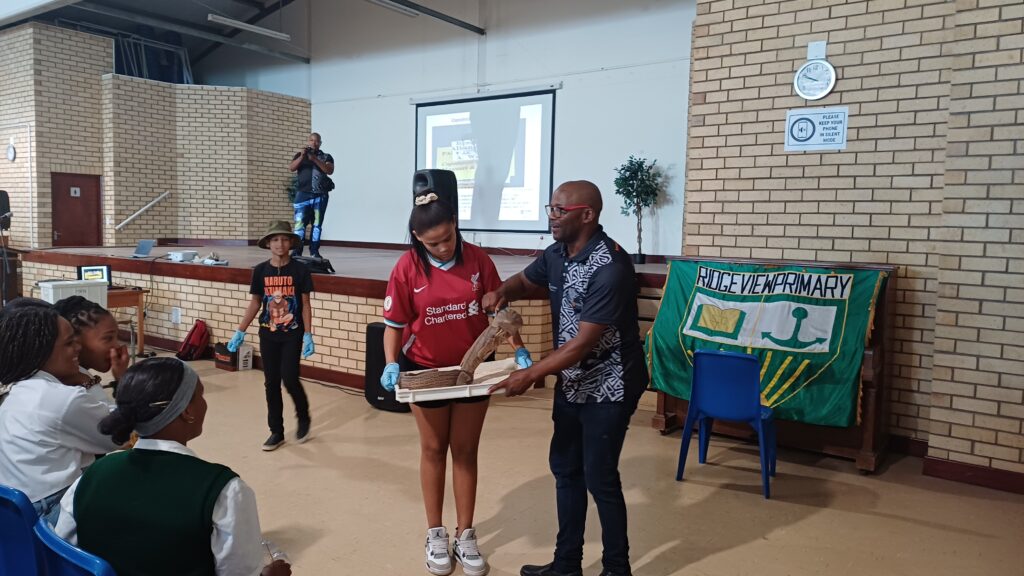
Then it was over to Mr Sithembele Harmans, Community Outreach Specialist at Iziko Museum. The Iziko Mobile Museum is literally a museum on wheels, designed to access schools in remote and peri-urban areas. Mr Harmans showcased various specimens and artifacts that had the group leaning about local sea life, mammals, and reptiles used to explain biodiversity and marine conservation. He also spoke about the role of museums in preserving our stories and our environment.
Citizen Science in Action
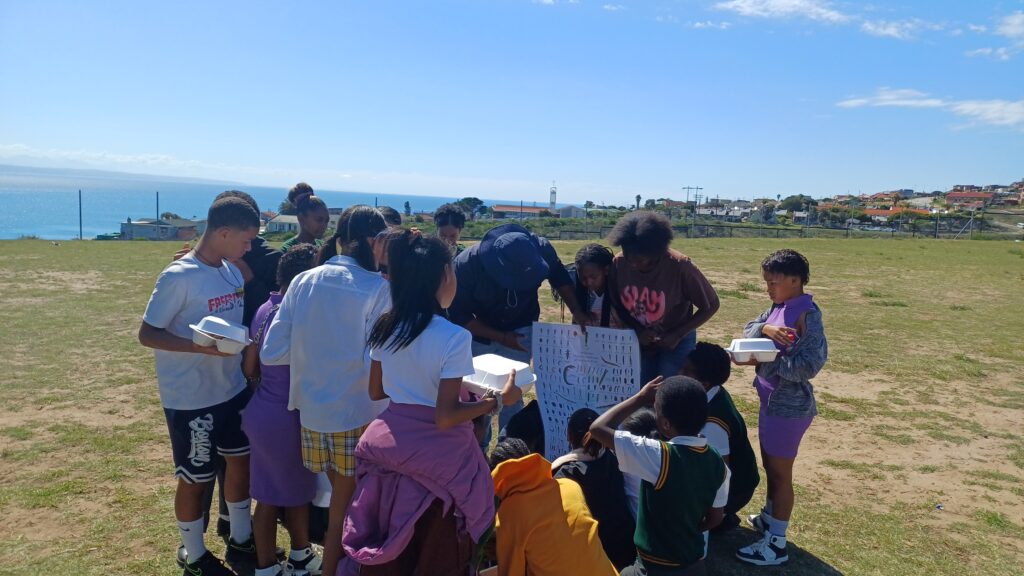
After lively discussions, learning moved outdoors. Learners rolled up their sleeves for Mini SASS, a citizen science tool for monitoring river health by measuring the presence of aquatic invertebrates. They also handled more museum artifacts and played a fast-paced identification game separating indigenous plants from aliens and invasive species. Science went from abstract to hands-on in under an hour.

Why it matters
Everyone should have access to learn about science and heritage despite geography or resources. This collaborative partnership linked ecological stewardship to cultural identity, highlighting to learners that they are part of both stories.
110 learners, one bus, wo organisations and a whole lot of “aha” moments.