By Antonnet Botha
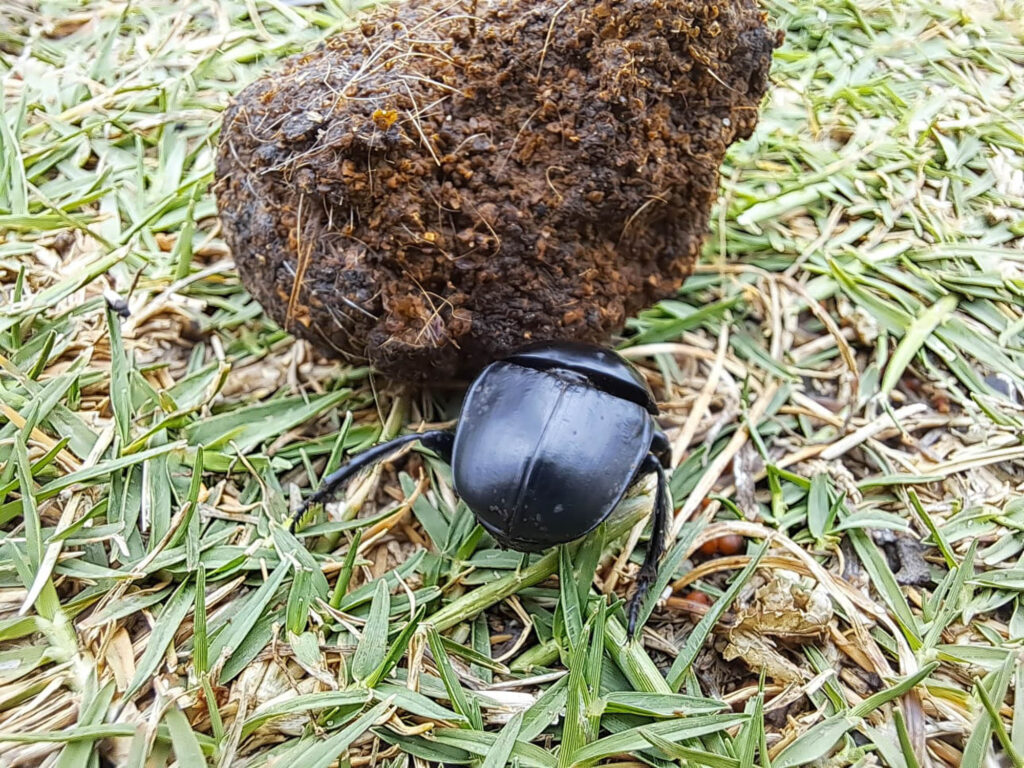
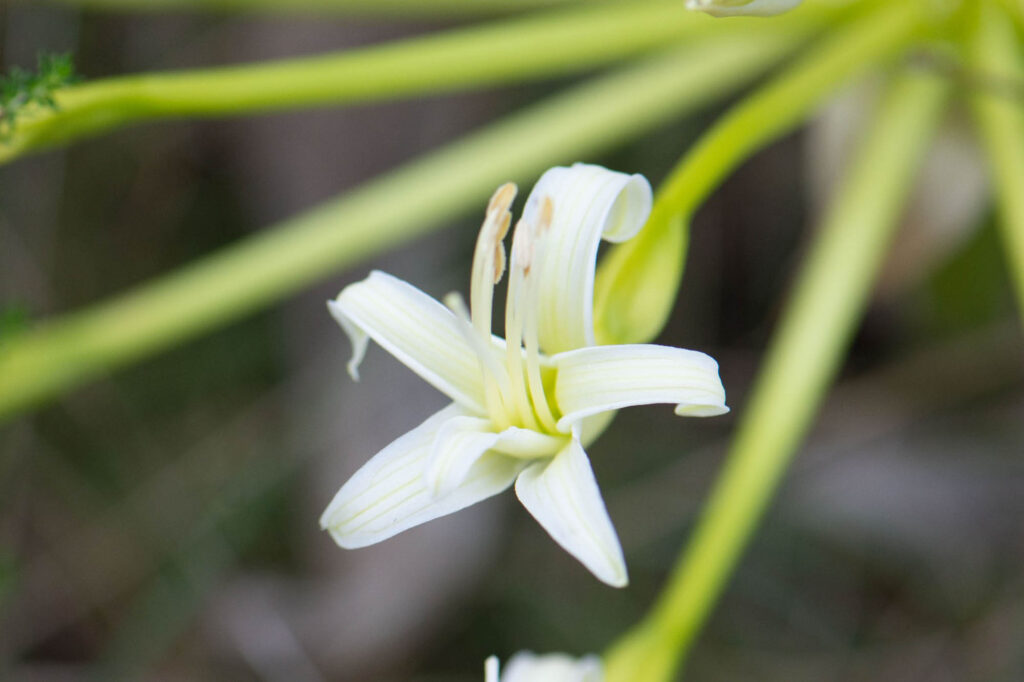
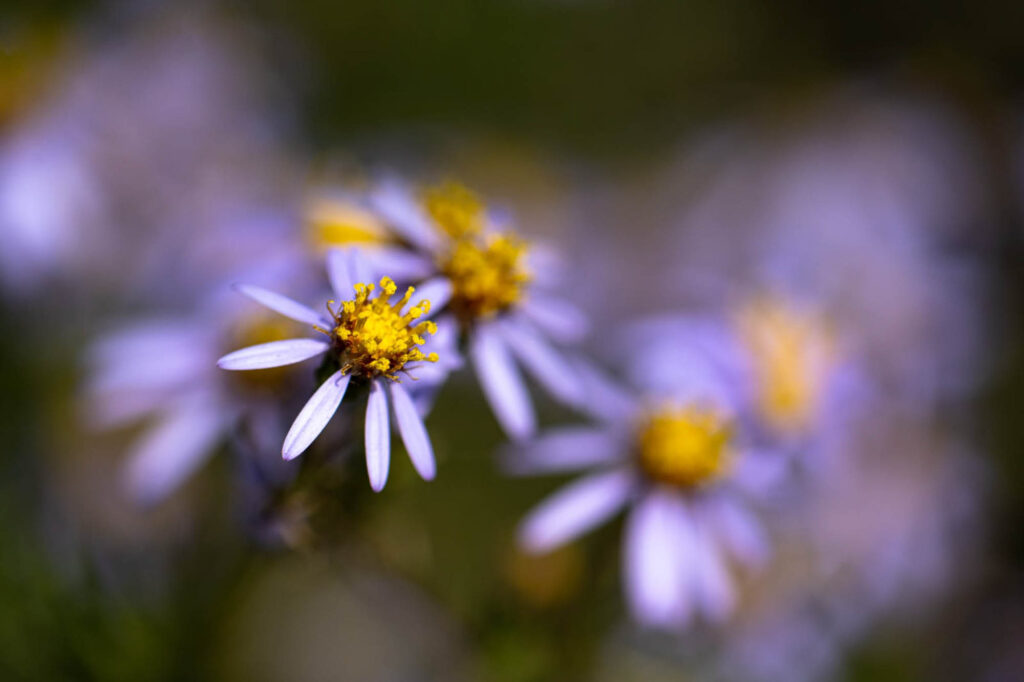
Nature is everywhere around us, in our gardens, along rivers, on hiking trails, and even in the cracks of pavements. Yet so much of this everyday biodiversity goes unnoticed. Around the world, communities are beginning to change that by using iNaturalist, a simple but powerful tool that helps people observe, record, and share the living world around them.
This tool is used by a wide range of people, from conservation experts to families exploring their local park, iNaturalist is turning curiosity into knowledge and community participation into meaningful citizen science.

What is iNaturalist and how does it work?
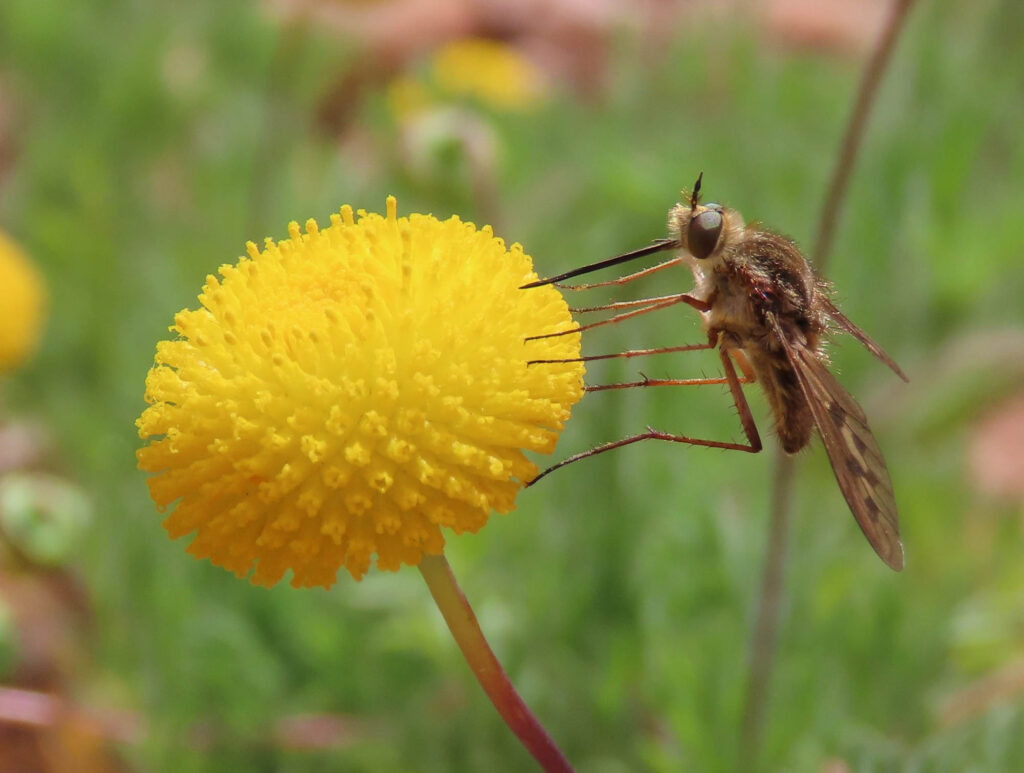
iNaturalist is a free app and website that allows anyone to record observations of plants, animals, fungi, and other organisms. Using a smartphone or camera, users upload photos, note the location and date, and share their observations with a global community of nature enthusiasts and experts.
Once uploaded, observations are identified collaboratively, either by the person who uploads the observation or by the community of online users. When two people agree on what was observed, the observation reaches “research grade” status and becomes part of verified biodiversity datasets used by scientists and conservation organisations.
What makes iNaturalist especially powerful is its accessibility. You do not need to be a scientist to contribute – just curiosity and willingness to look a little closer. iNaturalist encourages learning by doing. Over time, users often find themselves recognising species more easily, noticing seasonal changes, and developing a deeper connection to their local environment
We have linked a few videos at the bottom of this blog, which showcases how to use iNaturalist.


Why iNaturalist matters for conservation and communities
Biodiversity information is essential for effective conservation but collecting data across large and diverse landscapes can be challenging. This is where citizen science plays a crucial role.
By using iNaturalist, community members help:
- build local biodiversity records over time,
- detect changes in species distributions,
- identify invasive species or rare sightings,
- support conservation planning and environmental education.
In the Gouritz Cluster Biosphere Reserve region, where ecosystems range from arid karoo, fynbos and forests to coastal and estuarine environments. Local observations help paint a richer picture of how nature is changing and how communities interact with it.
For local conservancies, conservation organisations, and nature reserves, this data can help support their conservation efforts as well as highlight how their efforts are supporting change in the region over time.
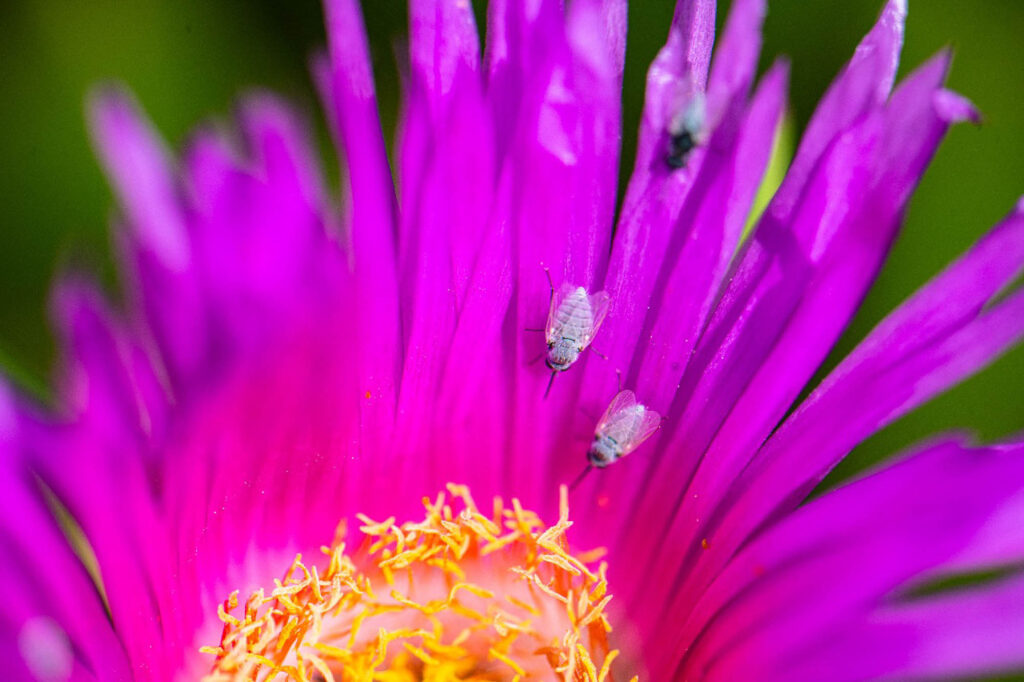
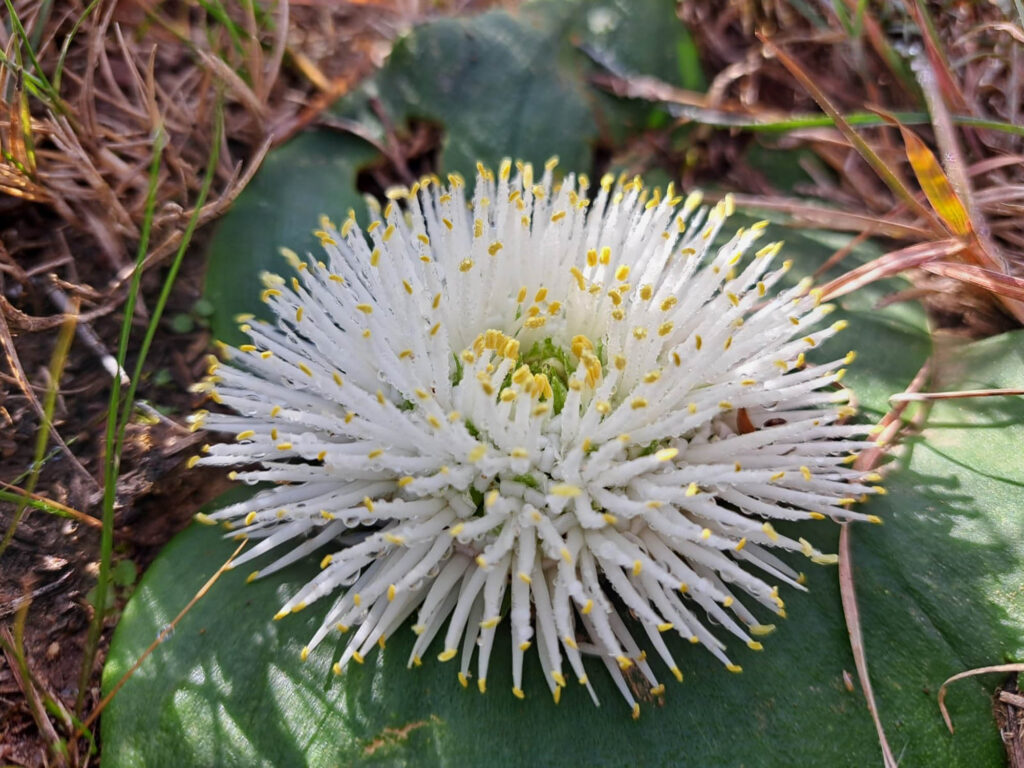
Fun and meaningful ways families and individuals can use iNaturalist
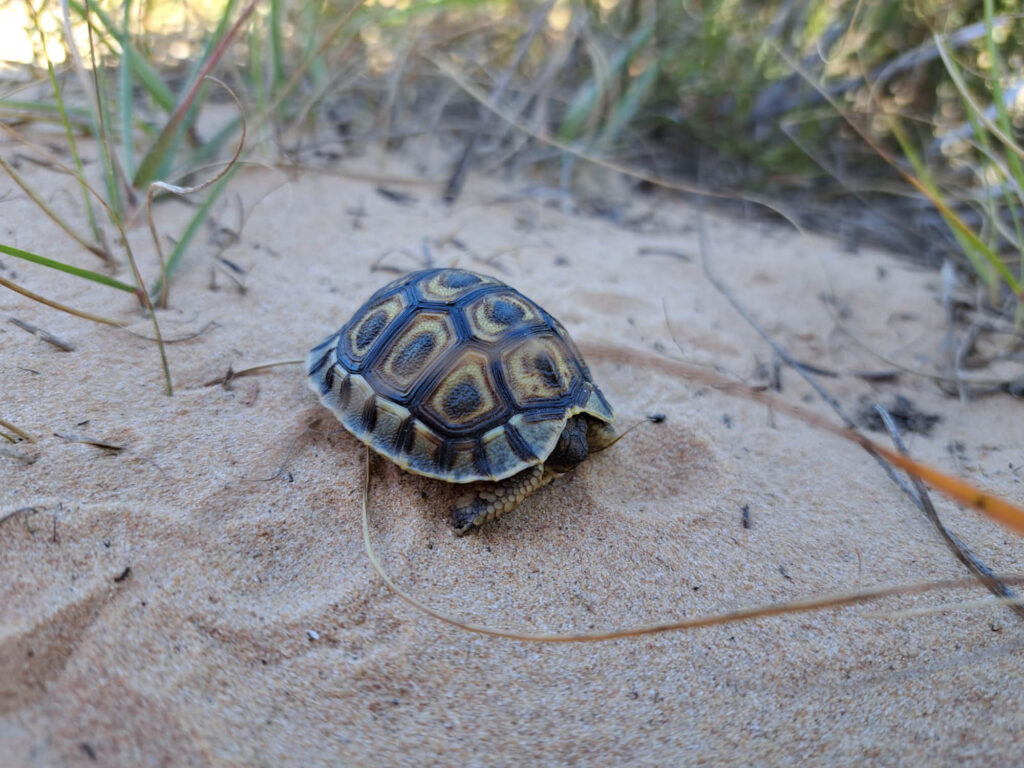
Beyond its scientific value, iNaturalist is also a wonderful tool to enjoy outdoors activities. Here are a few ideas for getting started:
Family nature walks
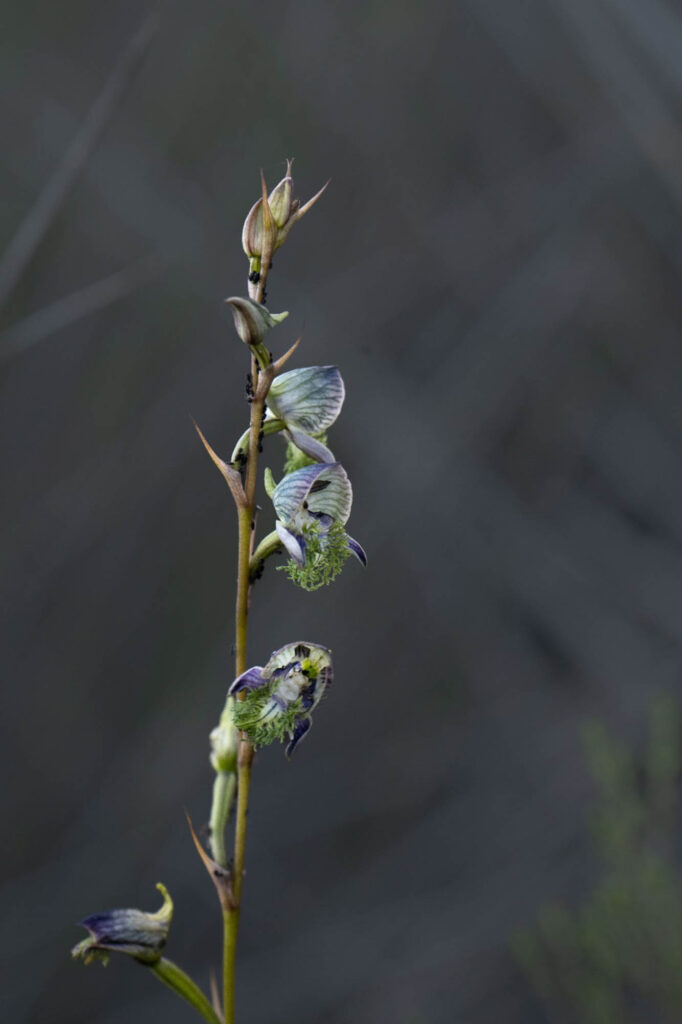
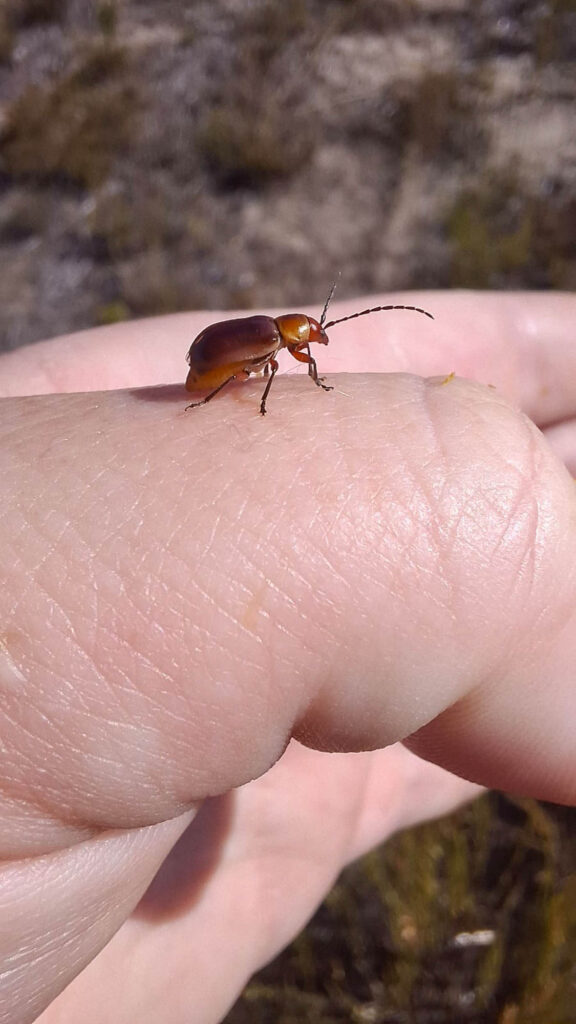
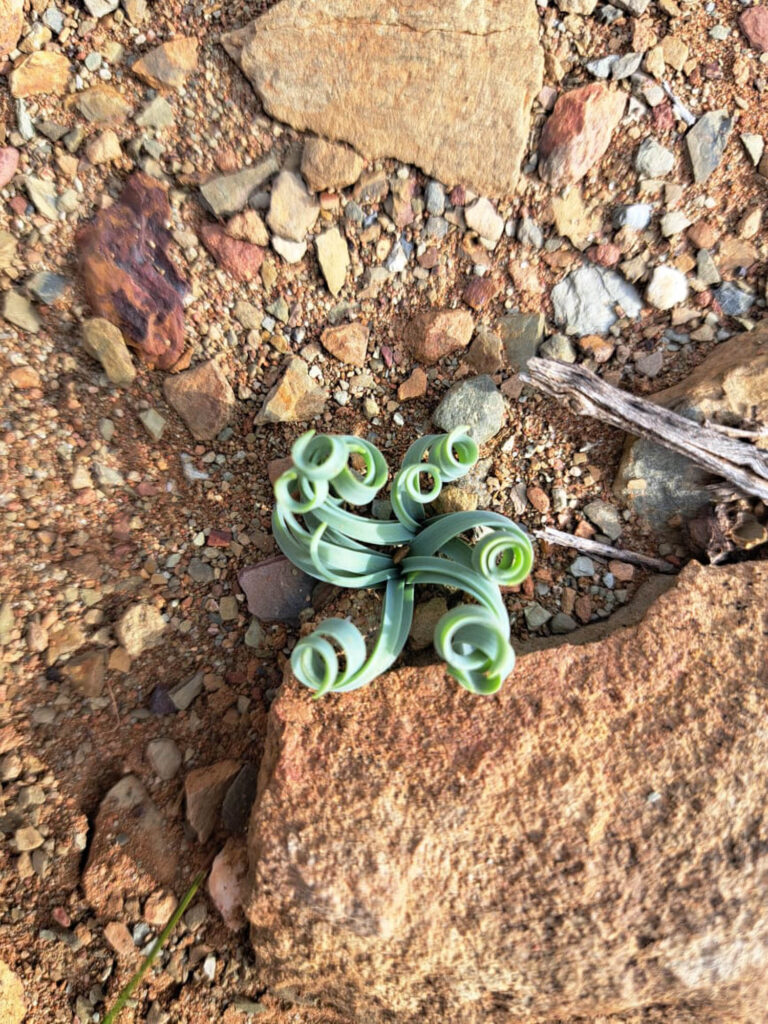
Turn a walk in your local park or along the beach into a biodiversity treasure hunt. Children can photograph insects, plants, or shells, while adults help upload their observations later.
Backyard biodiversity surveys
Spend a weekend documenting insects, birds, and weeds in your garden. You might be surprised by how many species share your space.
Seasonal challenges
Revisit the same spot each season and record changes in plants or animal activity. This helps build long-term data and sharpens observation skills.
School and youth group activities
iNaturalist can support environmental education by encouraging learners to explore ecosystems firsthand while contributing real data to science.
These activities build environmental literacy while fostering curiosity, patience, and respect for nature.
Joining the City Nature Challenge 2026
One of the most exciting ways to participate in iNaturalist is through the City Nature Challenge, an annual global event that invites cities and regions to document as much biodiversity as possible over a few days.
In 2026, communities across the Garden Route are encouraged to take part by:
- Making observations in towns, nature reserves, beaches, farms, and gardens.
- Uploading findings to iNaturalist during the challenge period.
- Working together to showcase the region’s incredible biodiversity.
The City Nature Challenge is not about competition alone, it is about collaboration, learning, and celebrating nature together. Every observation counts; whether it is your first or your hundredth, but there are some rules:
- No pets – although we love them, this is not the place
- No people –we also love our people, but we are looking for naturally occurring plant and animal species
- No planted plants – let’s keep it wild and natural
Join the event on Facebook for updates and more information.
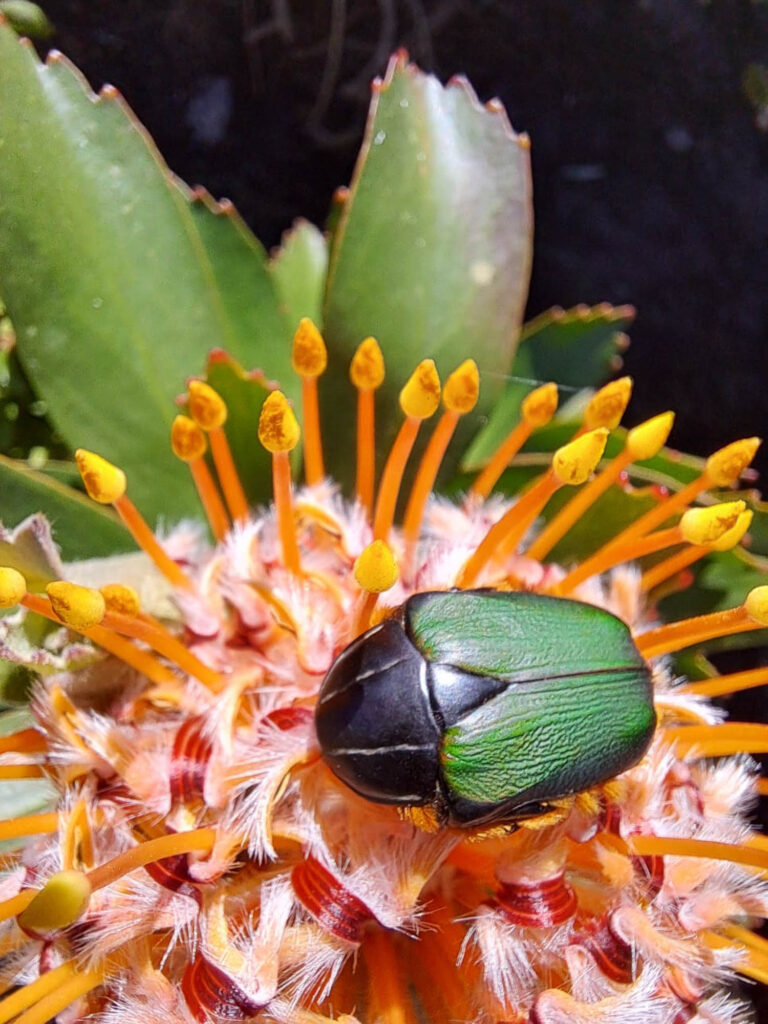
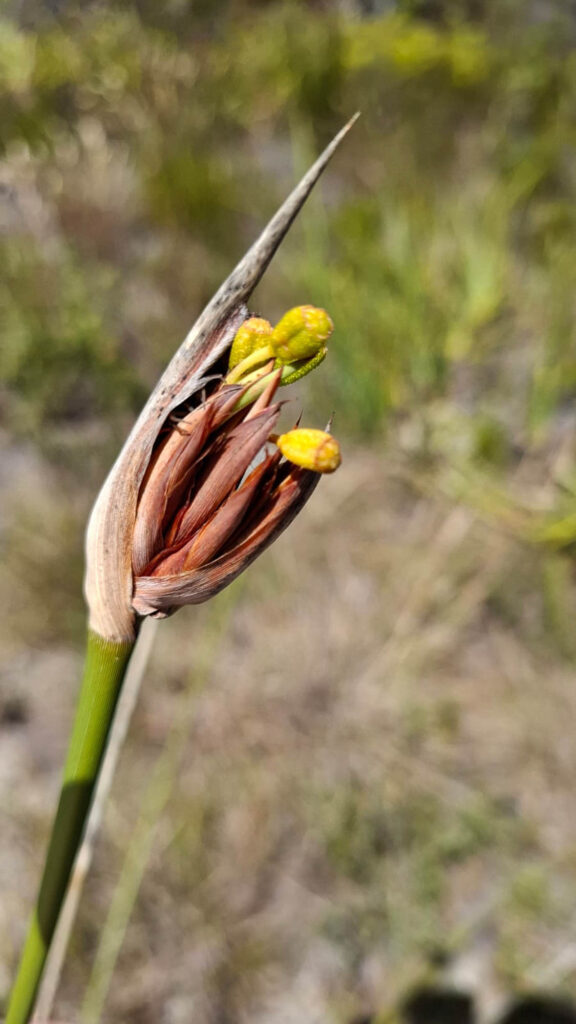

Looking closer, together
By using iNaturalist, communities across the Garden Route are helping to build a shared understanding of local biodiversity while contributing to global conservation knowledge. It is a reminder that meaningful action does not always require specialised equipment or expertise, sometimes it starts with slowing down, paying attention, and sharing what you see.
Whether you are a parent, learner, volunteer, or nature enthusiast, iNaturalist offers a simple way to connect with nature and with one another. As the City Nature Challenge 2026 approaches, now is the perfect time to start exploring, observing, and contributing.
Get involved, get curious, and help tell the story of nature in the Garden Route – one observation at a time.

How to use iNaturalist
How to Make an Observation with the iNaturalist Mobile App – Video Tutorial
How to Make an Observation with the iNaturalist Website – Video Tutorial
How to take Identifiable Photos – Video Tutorial
How to Use the Identify Page – Video Tutorial
Adding a Photo or Sound to an Observation on the iNaturalist Website – Video Tutorial