
By Antonnet Botha
Citizen science is built on a simple but powerful idea: that everyday people, guided by curiosity and care, can contribute meaningfully to scientific knowledge. It happens when hikers pause to photograph a flower, when a farmer notices an unfamiliar insect, or when a student uploads a moth seen at a porch light. These small moments, when shared, become data. Over time, they help scientists understand species distributions, detect changes in ecosystems, and uncover stories that might otherwise remain unseen.
One of the most widely used tools for citizen science iNaturalist, an online platform and app where people record observations of plants, animals, and fungi by uploading photographs along with date and location information. These observations are then reviewed by a global community of naturalists and experts, many of whom assist with identifications. Once verified, the data can be used by researchers, conservation practitioners, and institutions around the world.
In the Gouritz Region, iNaturalist has become a powerful bridge between community members and formal science. Observations shared by people working, living, and exploring in the landscape have supported research projects, expanded species records, and sparked collaborations that extend far beyond the region. What begins as a single photograph can grow into a discovery, a new research question, or a deeper understanding of the biodiversity that surrounds us.
The stories that follow highlight citizen science in action. They are real examples of how iNaturalist observations have contributed to science in the Gouritz Region, and they reflect the kind of impact that is possible when curiosity, technology, and collaboration come together.
Citizen science in action: positive stories from the Gouritz Region
In the Gouritz Cluster Biosphere Reserve (Gouritz Region), observations shared on iNaturalist have played a meaningful role in supporting scientific research, expanding species records, and strengthening collaboration between community members and researchers. What starts as a photograph or a moment of curiosity can, over time, contribute to a much larger body of knowledge. Below are some wonderful examples of how iNaturalist has contributed to science in the region. These are wins that Jolandie Buck, GCBR’s Landscape Manager, has been a part of during her time at the GCBR and in previous roles, specifically while working at Gondwana Game Reserve.
Bulbine gondwanae: identifying an undescribed species
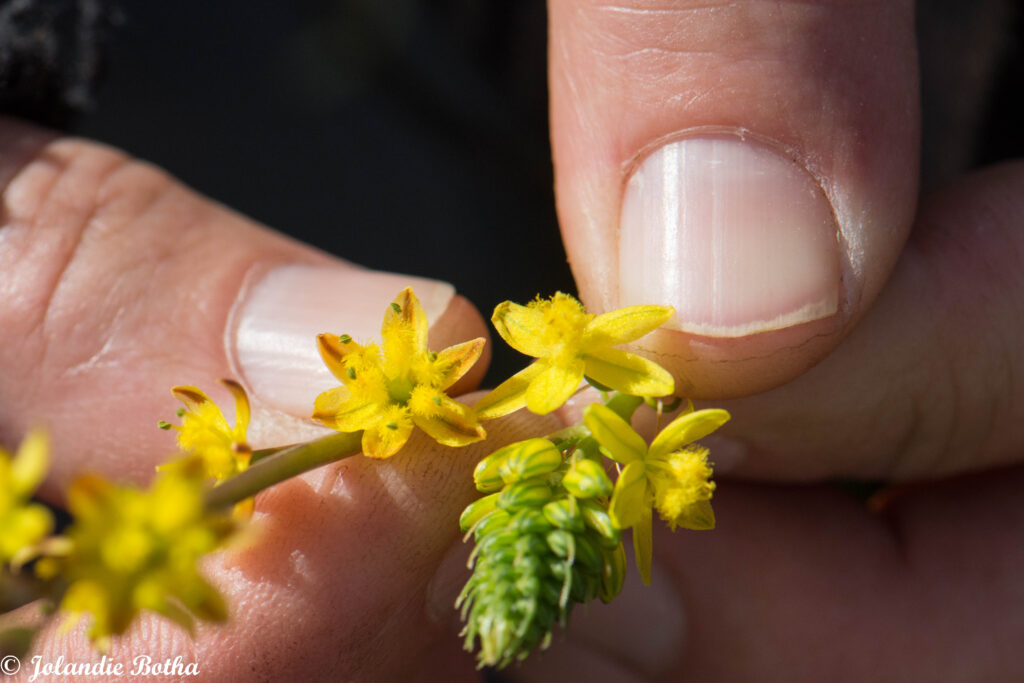
While doing fieldwork at Gondwana Game Reserve, a Bulbine specimen was found that did not match species previously recorded in the area. After working through available descriptions and resources, images were posted on iNaturalist to seek assistance with identification.
The plant was later identified as an undescribed species and was named Bulbine gondwanae, after the reserve where it was initially found.

Building a spider checklist through iNaturalist
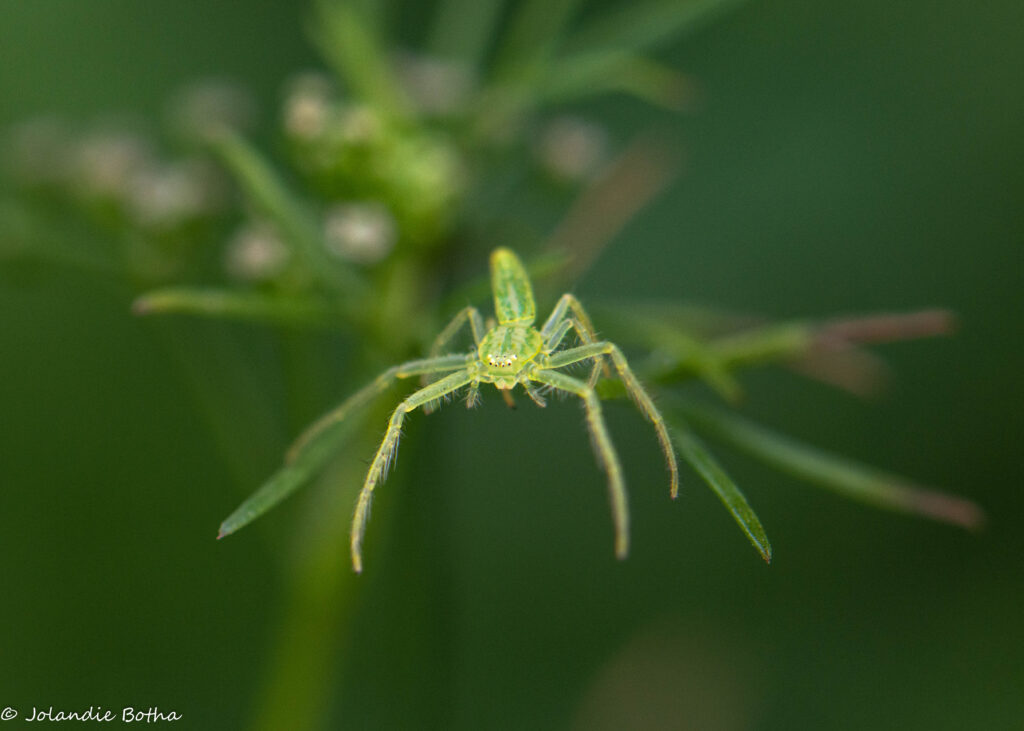
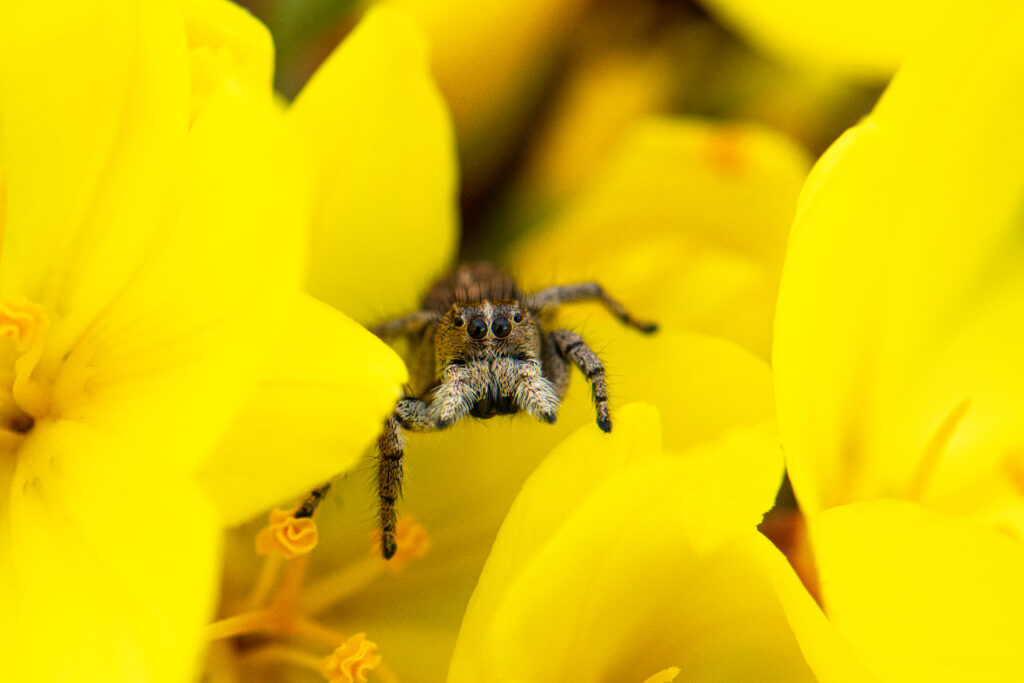
Through regular use of iNaturalist, a growing interest in spiders led to focused efforts to find and identify spider species on Gondwana Game Reserve. This resulted in closer engagement with members of the Spider Club of Southern Africa, who assisted with identifications.
Many of these observations helped expand location records for several species. This work contributed to the development of a spider checklist for Gondwana Game Reserve in collaboration with Dr Ansie Dippenaar-Schoeman, one of South Africa’s leading arachnologists.
Supporting scorpion taxonomy through shared observations
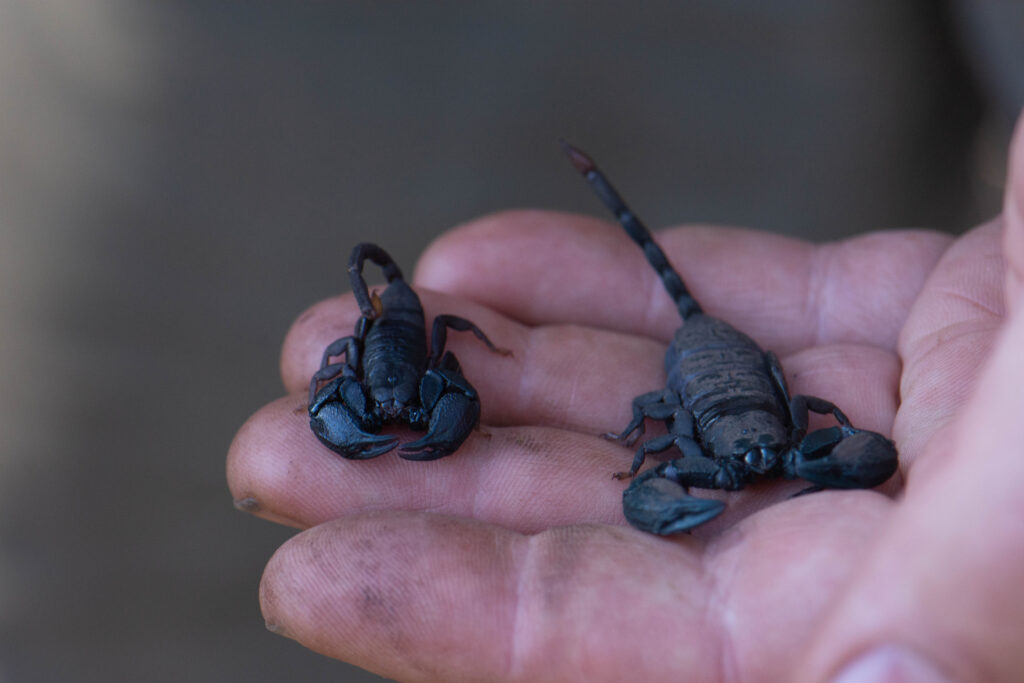
After seeing scorpion observations posted on iNaturalist, Dr Lorenzo Prendini from the American Museum of Natural History contacted the team at Gondwana Game Reserve to assist with collecting scorpion samples. At the time, he was working on clarifying the taxonomy of southern African scorpions and required reliable locality data to guide specimen collection.
Identifying an out-of-range species
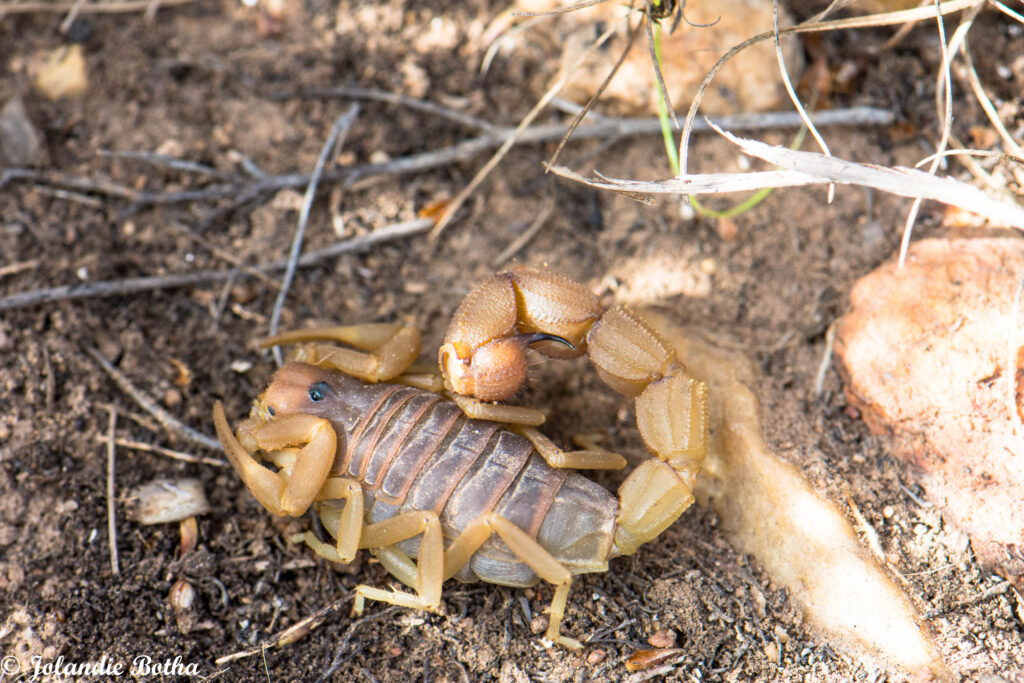
During a habitat survey, a scorpion was photographed and uploaded to iNaturalist. Christian Deschodt was able to verify the species and mark it as being out of range. This observation raised the possibility that the species may have been transported by people, or that it represents a range extension.
Axiodes insciata: rediscovering a rare moth
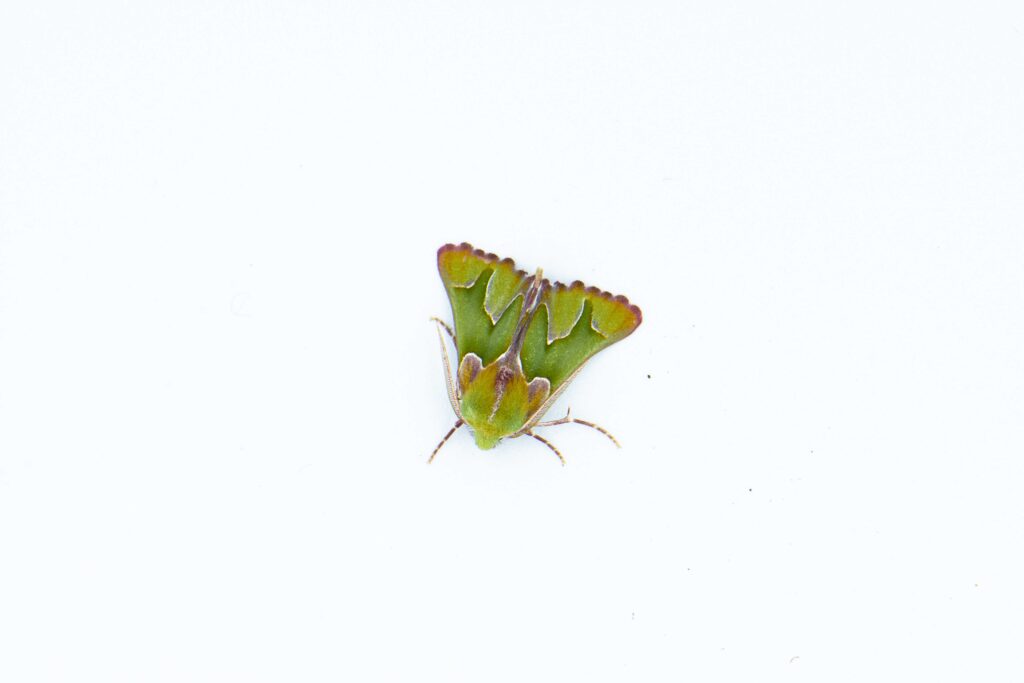
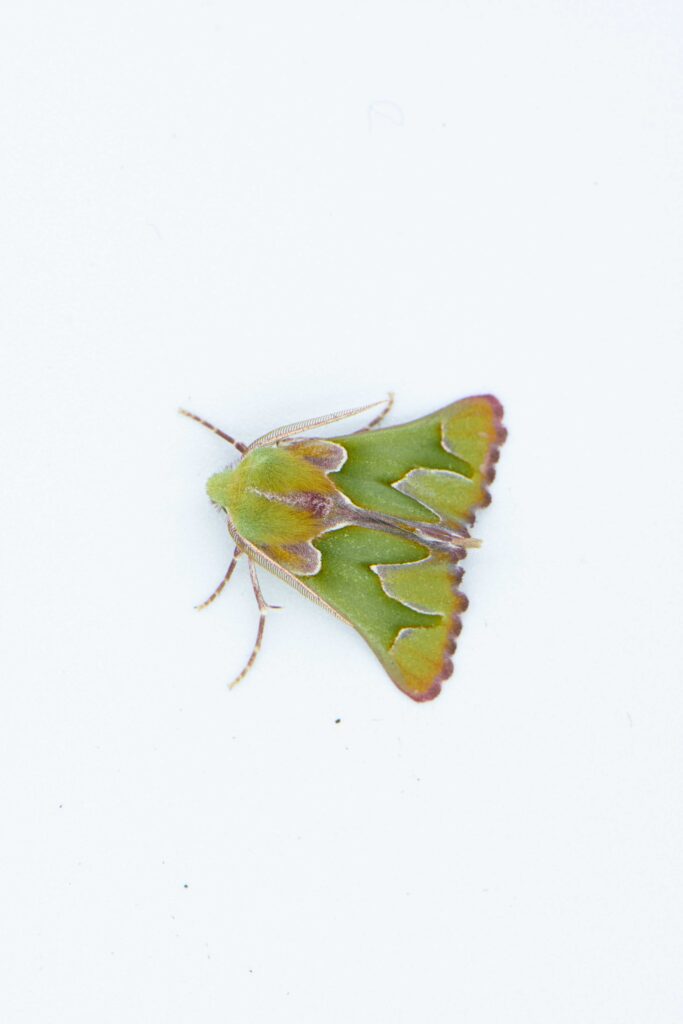
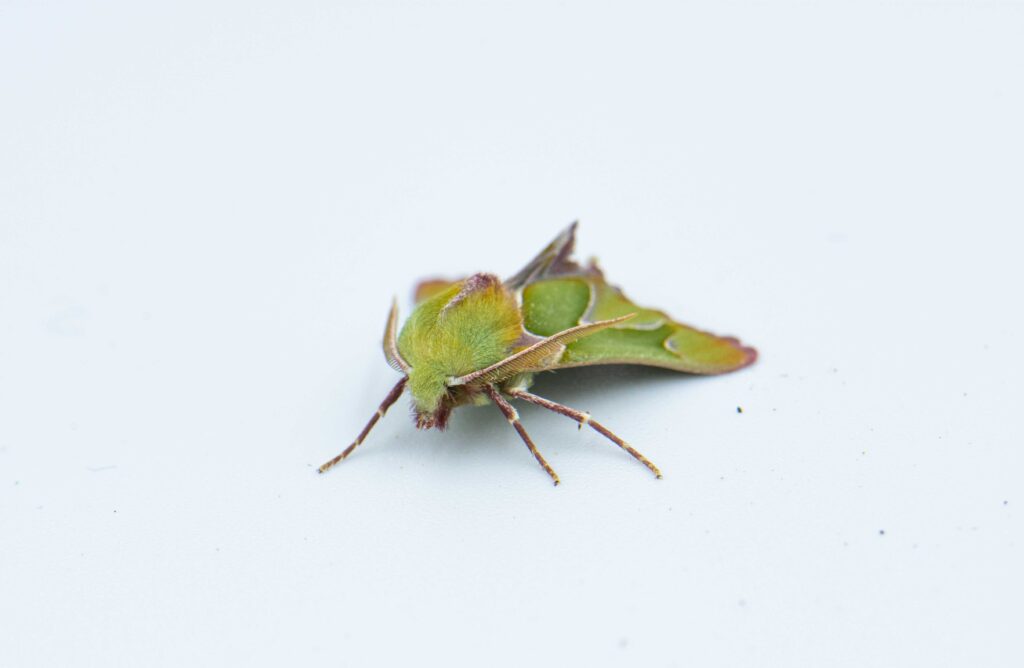
A striking green moth was photographed and shared on iNaturalist, where it was identified as Axiodes insciata. Prior to this, the species had not yet been recorded on iNaturalist, and the only known specimen was collected in 1875 in the Swellendam region.
This observation allowed for a specimen to be collected and sent for further research and genetic analysis. Since then, the species has been recorded a number of times in the Mossel Bay district. While many questions about the species remain unanswered, researchers now have a clearer starting point.

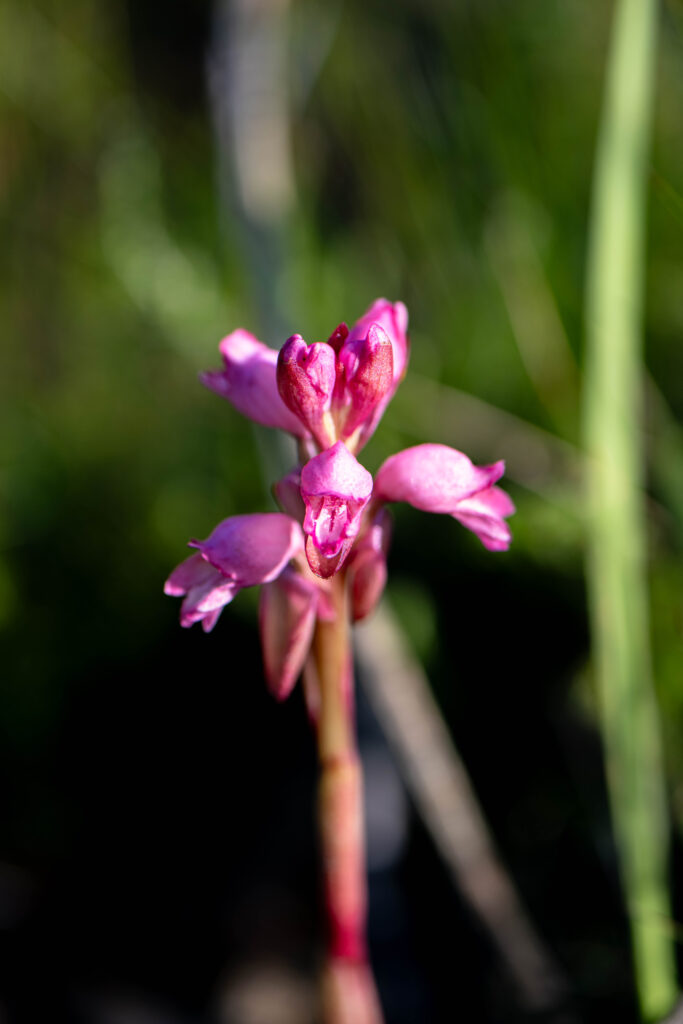
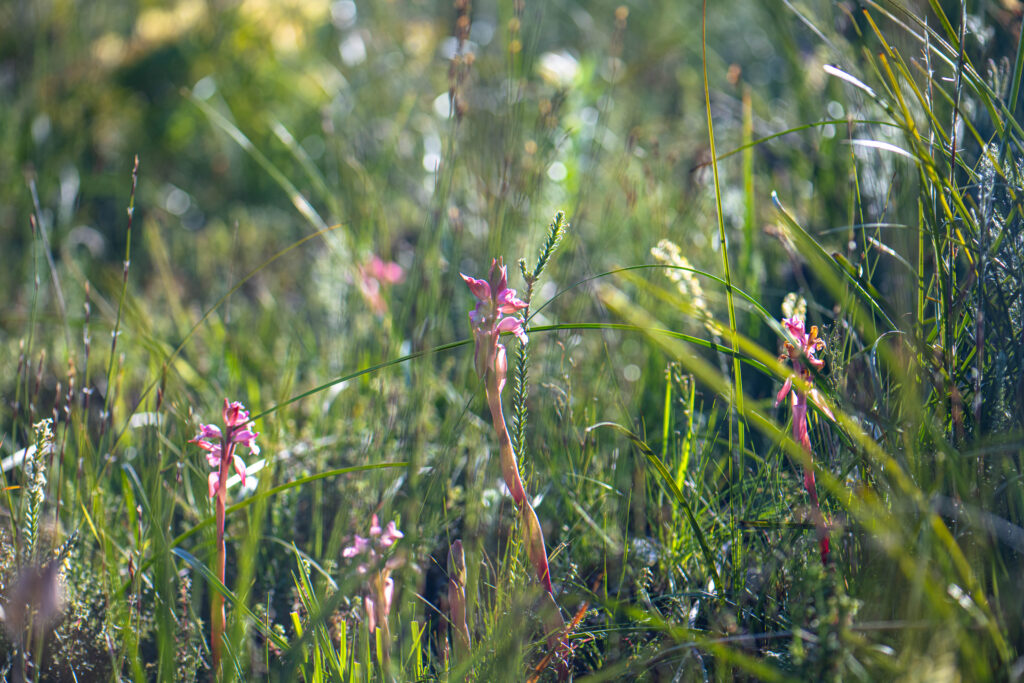
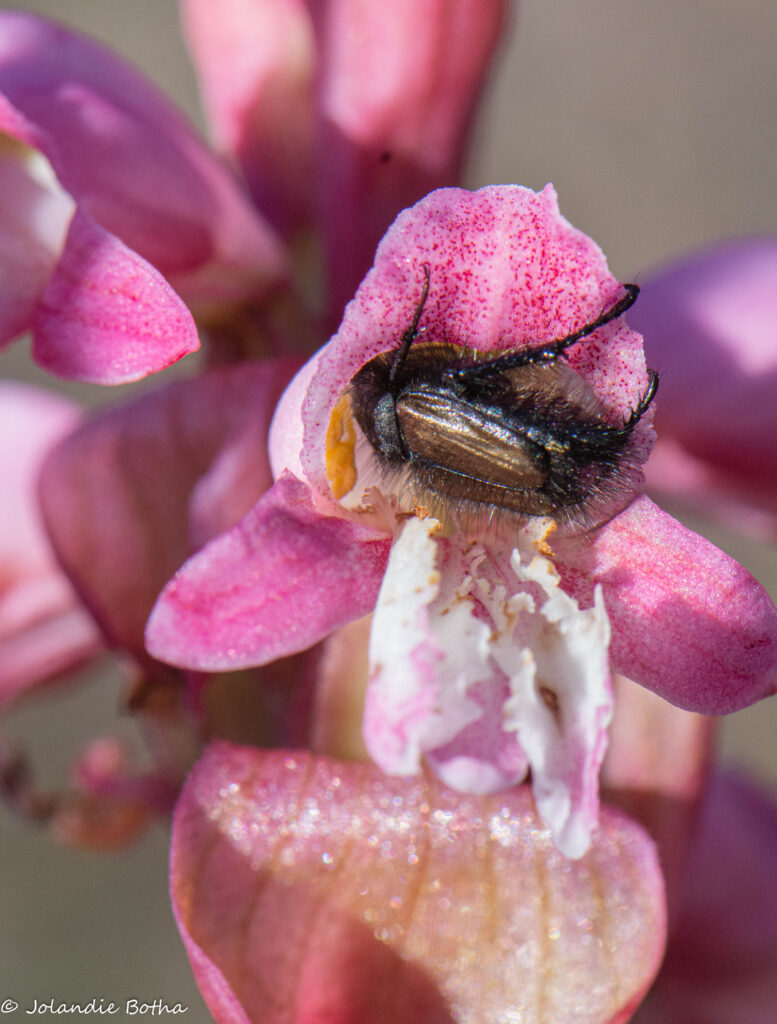
Expanding knowledge of Satyrium muticum (Sticky Satyre)
Satyrium muticum was found on Gondwana Game Reserve after many years of researchers knowing of only one location with approximately 250 plants. This discovery led to the identification of more than 6,000 flowering plants.
Researchers from the University of KwaZulu-Natal, including Dr Timo van der Niet and Prof Steve Johnson, visited the site to collect data on the species’ ecology. Observations indicated that many of the flowers were being pollinated by monkey beetles, which was not the expected pollinator for the species. Further research is needed for conclusive evidence.


Linking local observations to citizen science and the City Nature Challenge
These examples show how individual observations, when shared through iNaturalist, can contribute to real scientific outcomes. This is the essence of citizen science – everyday people collecting data that supports research, conservation, and learning.
How to use iNaturalist
How to Make an Observation with the iNaturalist Mobile App – Video Tutorial
How to Make an Observation with the iNaturalist Website – Video Tutorial
How to take Identifiable Photos – Video Tutorial
How to Use the Identify Page – Video Tutorial
Adding a Photo or Sound to an Observation on the iNaturalist Website – Video Tutorial