
By: Claude Schippers, Donovan Kotze, Lee-Ann Pretorius and Mark Jantjies
Wetlands are special ecosystems where land and water meet, often called the “kidneys of the landscape” because of the important ecosystems services they provide. They regulate streamflows, sustain life during dry seasons, reduce floods, control soil erosion, filter out pollutants, and store large amounts of carbon in the soil.
Unfortunately, in South Africa many wetlands are under threat due to human activities such as agriculture, urban expansion, pollution, invasive alien plants and climate change. One such vulnerable wetland within the Gouritz Cluster Biosphere Reserve is the Bergfontein Wetland, located in the foothills of the Langeberg Mountains.
Where Water, Peat and Life Meet
Bergfontein is a 36-hectare peatland located northeast of Riversdale, feeding into the Weyers River. It holds one of the deepest known peat deposits in the Western Cape and stores over 100,000 tonnes of carbon. This makes it an important natural asset for climate regulation and biodiversity conservation.
The indigenous vegetation in the wetland is dominated by Prionium serratum (Palmiet) and Platycaulos callistachyus (a restio species) and supports the Near-Threatened Cyclopia maculata (Needle-leaved Honeybush). These species rely heavily on the wetland’s intact hydrology. However, invasive Acacia mearnsii (Black Wattle) has become a major threat as it is less effective in stabilising the soil than palmiet and dries out peat soils, increasing erosion risk, and even creating conditions for ground fires/ peat fires.
Taking Back the Wetland: The Fight Against Black Wattle
In 2023, the GCBR team visited Bergfontein and confirmed that the spread of Black Wattle was weakening the indigenous vegetation. Small wattle clumps had suppressed Palmiet and other native plants that cannot survive under the dense, shady canopy of wattles.
Recognising the urgency, the GCBR team undertook a major clearing effort in 2024, targeting the most sensitive parts of the wetland where erosion risks were greatest. On 15 September 2025, GCBR team members Claude Schippers, Lee-Ann Pretorius and Mark Jantjies, together with wetland expert, Dr Donovan Kotze, revisited the site to assess progress and the recovery.
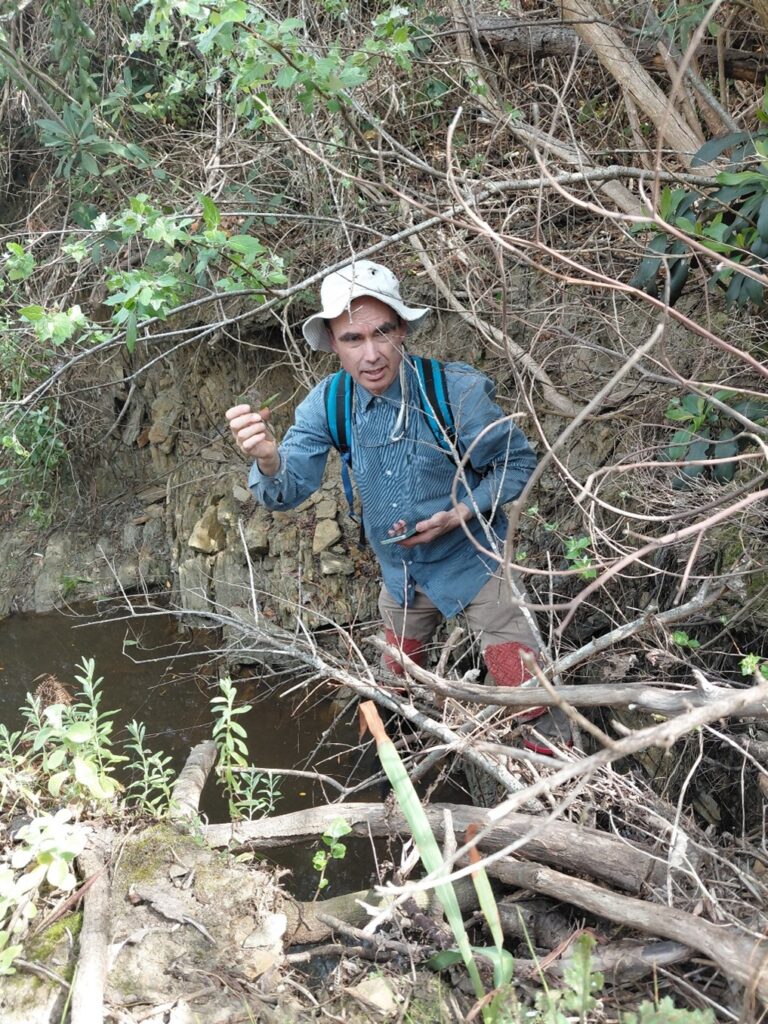
Picture 1: Donovan, explaining the risk of alien invasion and that it caused soil erosion.
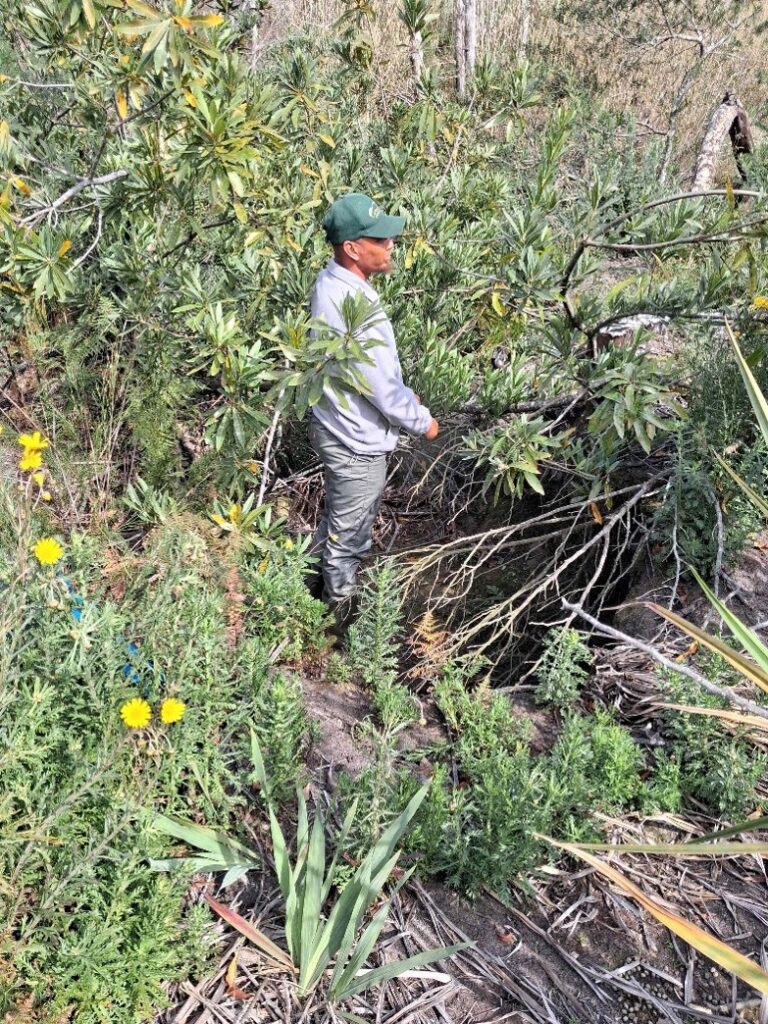
Picture 2: Mark inspecting the site that was cleared and looking for signs of recovery in the area
The results were encouraging: the intervention has reduced pressure on the system, allowing Palmiet and other indigenous species to recover. Early signs of biodiversity return are already visible, with honeybush plants are flowering and pollinating bees have returned.

Picture 3: An area of the vulnerable zone in the wetland where clearing of wattle trees has been to the immediate benefit of the indigenous wetland plants, including the robust restio Platycaulos callistachyus and the Needle leaf Honeybush (Cyclopia maculata), a shrub species with prominent yellow flowers.

Picture 4: During the 15 September 2025 field visit, Claude Schippers takes some time to savour the sweet aromas of the Needle leaf Honeybush (Cyclopia maculata) in full bloom in Bergfontein wetland. This indigenous fynbos species is also used to make Honeybush tea, a naturally sweet, caffeine-free herbal tea known for its antioxidant and health-promoting properties.
However, ongoing support and follow-up clearing are essential to maintain these gains and ensure that invasive species do not return.
Protecting Nature Together
The Bergfontein Wetland is a powerful reminder that with the right care and collaboration, nature can recover. Continued restoration and monitoring will be key to protecting this important ecosystem. By working together, with communities, landowners, and conservation partners, we can ensure that wetlands like Bergfontein continue to provide their life-giving services for generations to come.