
By Nelisiwe Khusi, GCBR Freshwater Conservation Coordinator
March, recognised as Water Month in South Africa, came at a time when the catchments within the Gouritz Region were already under pressure. Over the past year, parts of our region received little rainfall, and many of our rivers continue to flow at low levels. In some municipalities, water restrictions were also put in place towards the end of 2025, highlighting just how stretched our water resources are.
The month also included important awareness moments such as National Water Week, the International Day of Action for Rivers, and World Water Day. These serve as reminders of the importance of freshwater systems and the shared responsibility to protect them. In a dry period like this, the message of water conservation becomes even more relevant.
This is the reality in which our freshwater conservation work is taking place. In March, I had the opportunity to attend several training sessions, workshops, and partnership engagements. These were not just about attending sessions, but about building the knowledge and relationships needed to respond more effectively to the challenges facing our freshwater systems.
Water Flow Conditions and Compliance Monitoring Training
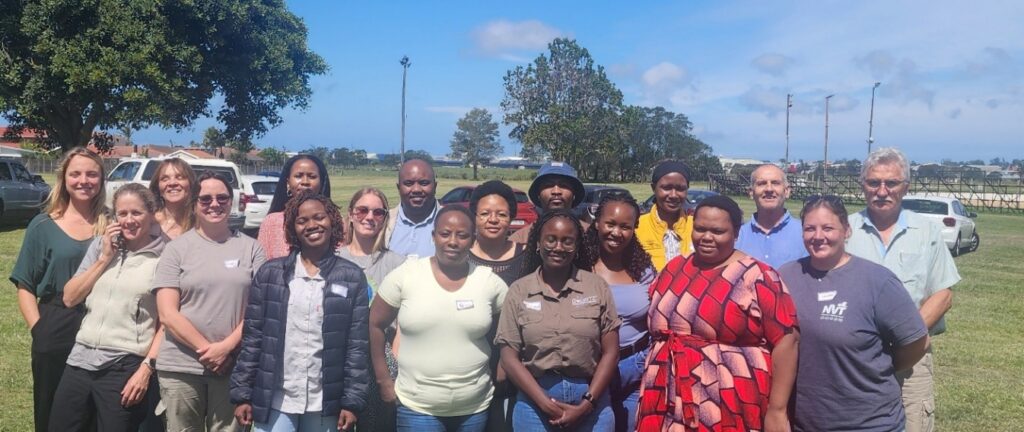
The month started with a Flow Compliance Monitoring Workshop hosted by the Freshwater Research Centre in George. With low flows already being observed, the training helped unpack how flow is measured, interpreted, and managed, and why it matters. Flow is not just about how much water is in the river; it affects habitat, water quality, and the overall health of the system. In dry conditions like these, understanding flow becomes even more important. It helps identify where pressure is building and supports better decisions about water use in our catchment.
Cross-Catchment Collaboration and Shared Learning
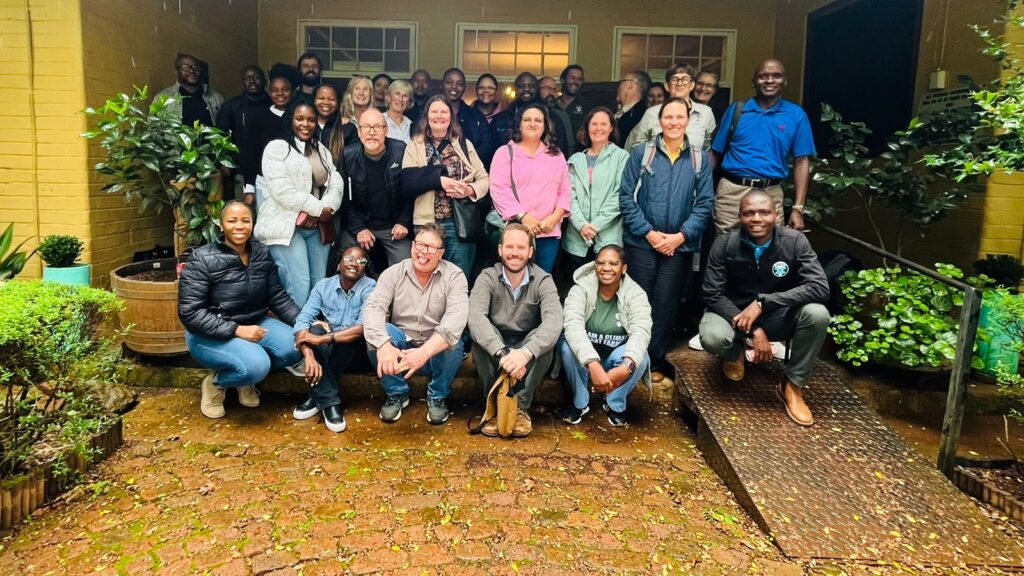
Another important engagement during the month was the Cross-Catchment Collective (CCC) Partners Meeting hosted by the Rivers of the Lowveld Collective in Haenertsburg. This platform brings together organisations working across different catchments in South Africa to share experiences and strengthen collaboration. It also creates space to reflect on common challenges and to explore practical ways to improve coordination between partners.
What stood out during the engagement was how catchments are facing similar pressures. Although the context and land uses may differ from one region to another, increasing water demand and ongoing ecosystem stress are challenges being faced across the country.
Through the discussions, site visits, and shared experiences, it became clear that working in isolation is not enough. There is real value in learning from one another and finding ways to collaborate across catchments, even at a national level.
Water Governance and Better Management of Water Resources
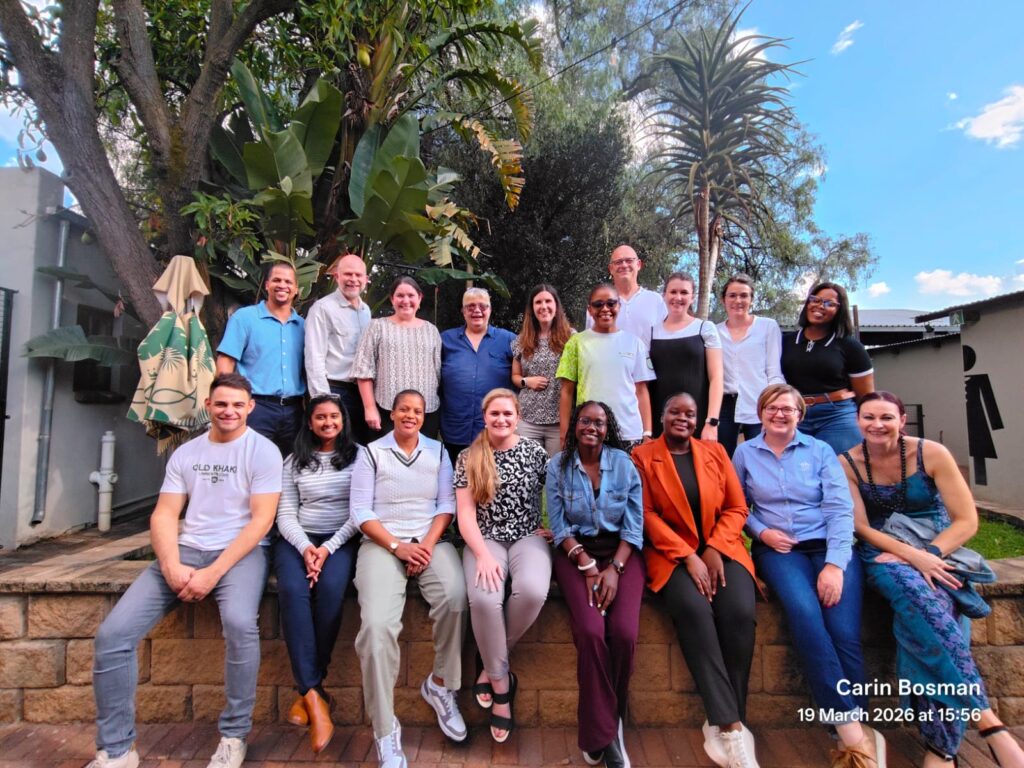
A three-day Water Governance Training Course in Pretoria, hosted by Carin Bosman, added another important layer to this work. The course focused on how water is managed in South Africa, including the legal framework, water-use licences, and the institutions involved in governance. Key areas included water legislation, authorisation processes, integrated water resource management, and the roles of different institutions within the sector.
This knowledge is particularly relevant in low-flow conditions, where decisions on water allocation and compliance directly affect both ecosystems and water users. While this side of the work can be easy to overlook in the field, it becomes especially important when water is limited. Decisions about who uses water, how much is allocated, and under what conditions ultimately influence the health of our rivers as well as the communities that depend on them.
Water Quality Monitoring and Interpretation
The Updated Freshwater Ecosystem Water Quality Guidelines Training Workshop, hosted by Rhodes University in Cape Town, brought the focus back to monitoring.
When flows are low, water quality problems can become more visible. There is less water to dilute pollution, which means impacts can be felt more quickly.
Improving how water quality data is understood helps respond earlier and more effectively as conditions begin to change.
Bringing It Back to Work on the Ground
All of these engagements feed directly into the work being done by the GCBR, whether it is monitoring rivers, assessing water quality, supporting restoration work, or working with partners. The aim is the same. It is about understanding what is happening in the system and responding in ways that support both people and ecosystems.
Water Month this year was not just about awareness. It was a reminder of the pressures our rivers are facing right now. With low rainfall and ongoing demand, the need for careful management, strong partnerships, and informed action is only growing. The focus going forward remains on building on what has been learnt and continuing to work with others to protect these systems.